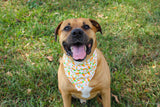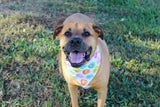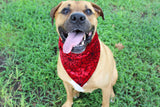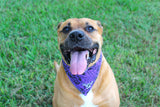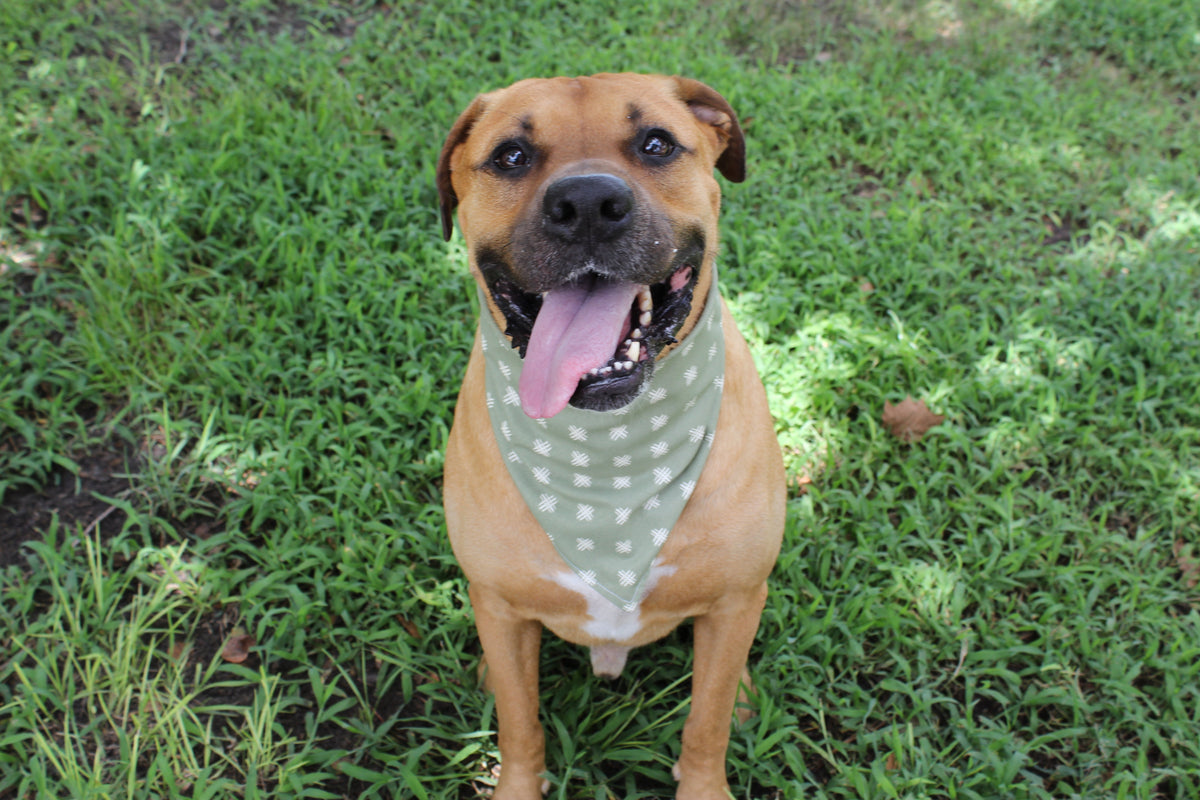


The camera is up, the family is posing, and your dog is wearing a bandana that clashes with everyone’s shirt. It’s a photo you’ll probably delete, but the frustration of mismatched colors lingers. Most owners don’t have a style problem; they have a coordination problem. The fix isn’t buying more accessories. It’s buying smarter ones.

Why “Coordinating” Is Harder Than It Looks
Human fashion relies on a vast palette of neutrals and trends. Dog fashion doesn’t have that luxury. You’re working with a limited number of prints and a neck that moves constantly. The goal isn’t perfection. It’s cohesion. When you step back, the dog should look like part of the family, not a prop.
Build the Core: The Three-Piece Wardrobe
We stopped buying random, one-off prints. Instead, we built a small, repeatable system. It’s less about following trends and more about creating a baseline that always works. Here’s the structure we rely on:
- One neutral bandana: A solid or subtle pattern that goes with everything (think charcoal, cream, or soft grey).
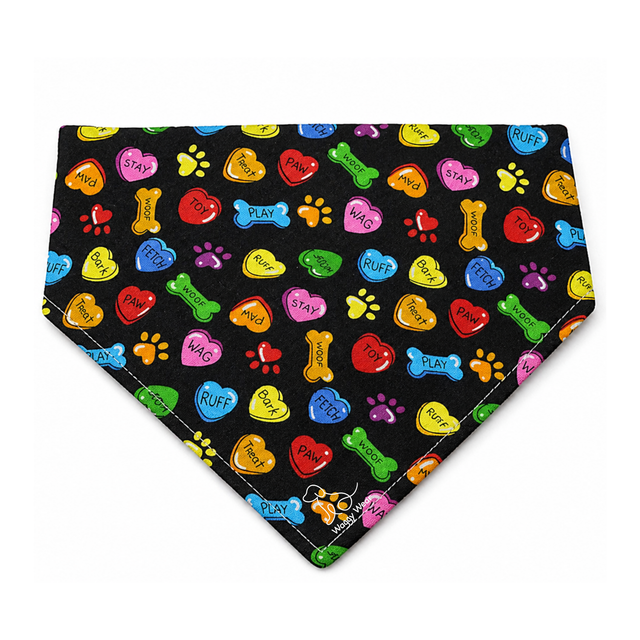
- One seasonal accent: A bolder print that reflects the time of year or a specific mood.
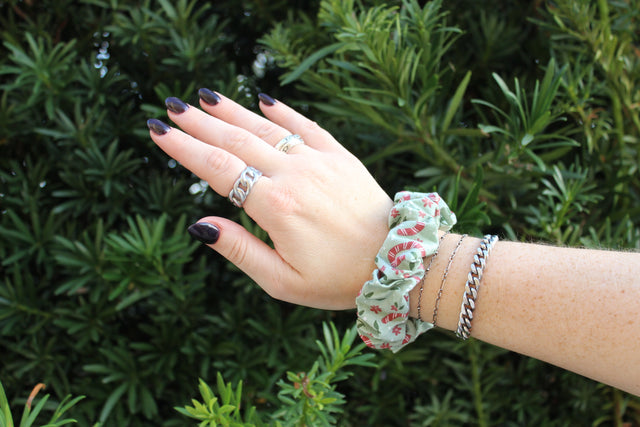
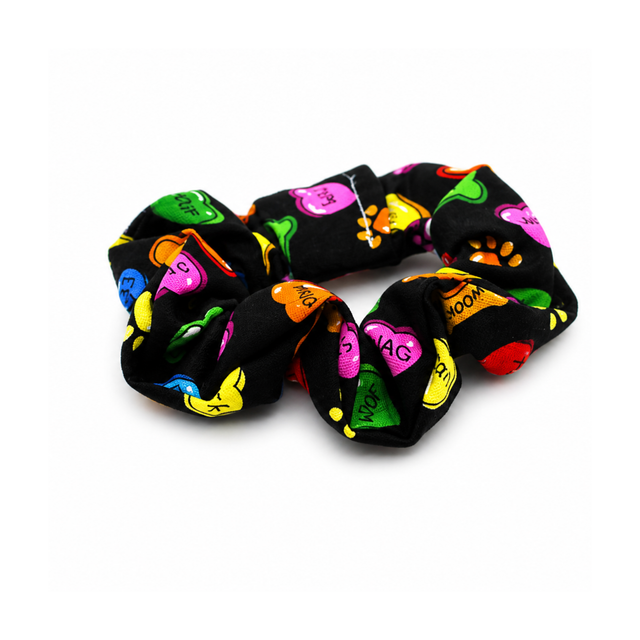
- One matching accessory: A scrunchie or keychain in the same print as the accent, to tie the look together.
This trio covers 90% of our needs. The neutral is the anchor. The accent is the personality. The accessory is the bridge. It’s simple, but it removes the daily guesswork.
The Fit Factor: Why It Matters More Than the Print
A beautiful bandana that slides off halfway down the block is just a lost handkerchief. Fit is the foundation of any good look. Many dogs seem to have necks that defy simple sizing, which is why adjustable options are our go-to. We always measure gently around the base of the neck, just above the collar. If you’re between sizes, size up. A bandana that’s too tight looks uncomfortable and creates pressure points. A bandana that’s slightly loose can be tied with a bit more tension to sit securely.
One detail makes a huge difference in how the piece sits.
When the knot is high, the fabric drapes forward and away from the throat. This prevents chafing and keeps the shape crisp. When the knot is low, the fabric bunches up, looks sloppy, and can rub against the collar or harness.

Matching for Family Photos: A Practical Approach
When we’re getting ready for a family photo, we don’t try to match the dog’s bandana to every single shirt. That’s a recipe for chaos. Instead, we pick one person in the group whose outfit will be the most visible, and we match the dog’s accent piece to that color. It creates a visual thread without requiring everyone to wear the same shade. It’s subtle, but it makes the photo feel intentional.
Caring for Your Wardrobe
Handmade pieces last longer when you treat them with a little care. We hand-wash our bandanas in cool water and lay them flat to dry. This keeps the colors vibrant and the fabric soft. Avoid the dryer if you can; the heat can break down the fibers and cause the print to crack over time. A little extra effort in the wash means the pieces look new for years, not months.
Frequently Asked Questions
How many bandanas do I actually need to start a wardrobe?
Three is a sweet spot. One neutral, one accent, and one seasonal or special occasion piece. This gives you enough variety to mix and match without feeling overwhelmed by choice.
Can I use the same bandana with different collars?
Yes, but be mindful of the width. A very wide collar can push the bandana up and make it look uneven. A standard-width collar works best with most tie-on styles.
What if my dog is sensitive to fabric on their neck?
Look for soft, breathable materials. If your dog has skin sensitivities, check with your vet to rule out allergies. Many dogs prefer lighter fabrics that don’t trap heat or moisture.
Do matching accessories really make a difference?
In our experience, yes. Even a small scrunchie or keychain in the same print as the bandana creates a sense of intention. It ties the look together and makes the dog feel like a coordinated part of the family, not an afterthought.
There’s a quiet confidence in knowing your dog looks good. It’s not about vanity. It’s about the small, daily rituals that say you care. When you step out the door, the look should feel easy, natural, and yours. That’s the whole point.