

If you’ve ever stopped mid-sentence because your dog tilted their head, you’ve caught a glimpse of how much they’re actually listening. It’s easy to assume dogs live in a world of pure instinct, but most owners know that the quiet moments between commands hold far more information than the bark itself.

The Language of Stillness
Dogs communicate constantly, but they rarely use words. Instead, they use weight, direction, and pace. A dog who rests their chin on your ankle isn’t just being affectionate; they are anchoring themselves to your energy. In our experience, this is one of the most reliable ways to gauge how a dog feels about their current environment. If they are tense, they will pull away or stiffen their body. If they are relaxed, they will lean in.
Many owners find that they miss these subtle shifts because they are waiting for a big signal, like a jump or a whine. But the real conversation happens in the micro-movements. Watch the ears. Watch the tail position. A low, slow wag is a very different message from a high, fast wiggle, and misreading that distinction is a common source of confusion in shared spaces.
What Most People Get Wrong About Trust
There is a widespread assumption that trust is built through obedience. We tend to think that if a dog listens to every command, they are deeply bonded with us. That’s not quite how it works. Trust is actually built through consistency and predictability, not just compliance.
A dog who trusts you doesn’t just do what you say; they feel safe enough to be themselves around you. They might ignore a "sit" command because they are too focused on a fascinating smell, but they will still check in with you for reassurance. That check-in is the true bond. It’s the quiet assurance that you are a safe harbor, not just a director of activities.
Practical Ways to Deepen the Connection
You don’t need a structured training class to strengthen this bond. You just need to be present during the ordinary parts of the day.
- Pause before leaving the house: Stand still for ten seconds before picking up the leash. Let the dog come to you. This shifts the dynamic from you dragging them out to them choosing to go with you.
- Match their energy: If your dog is zooming around the yard, resist the urge to sit on the couch and scroll. Join them for a minute. Shared energy is a powerful connector.
- Offer choices: Instead of forcing a treat, hold it out and let them decide if they want it. Respecting their "no" builds more trust than a forced "yes" ever will.
- Use soft tone, not volume: Dogs often respond better to a gentle, calm voice than a sharp, loud one. Your tone carries more weight than your words.

The Role of Routine
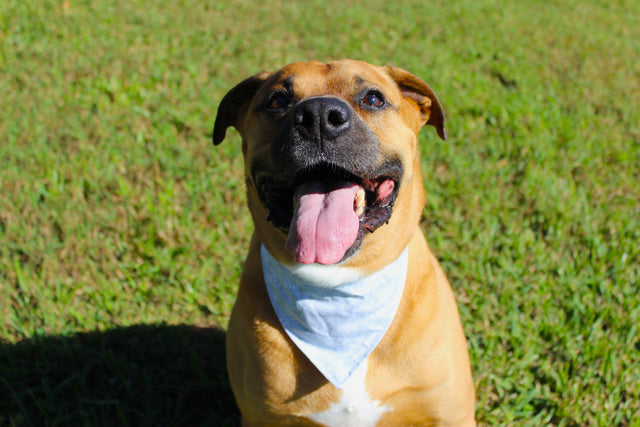
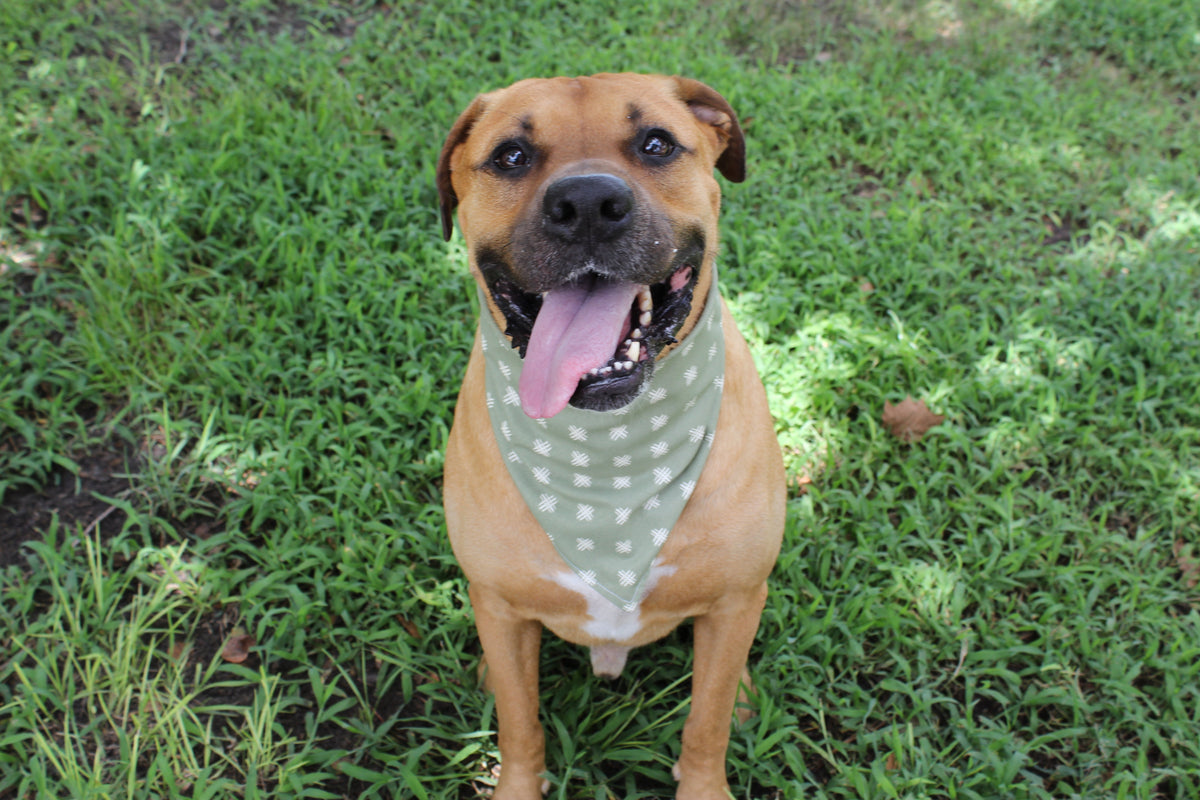
Dogs are creatures of habit, and that’s a good thing. Predictability reduces anxiety and allows them to relax. When you know exactly what to expect next—meal time, walk time, quiet time—your dog can let their guard down. This is where accessories can play a small but meaningful role. A familiar bandana, for instance, can become a visual cue for "good things are about to happen." Over time, that simple piece of fabric becomes part of the ritual, a small anchor in the day that signals safety and routine.
Listening to the Body, Not Just the Face
We often focus on the eyes, but the body tells the whole story. A dog with a stiff, high-held tail is alert, not necessarily happy. A dog with a loose, low tail and a soft gaze is truly relaxed. Learning to read these physical cues takes practice, but it’s one of the most rewarding skills a dog owner can develop.
It’s also important to remember that every dog is different. A high-energy breed might express joy through movement, while a more reserved dog might express it through stillness. There is no single "correct" way for a dog to show affection. The key is to learn your specific dog’s language.
Frequently Asked Questions
How can I tell if my dog is actually enjoying our time together?
Look for relaxed body language: a soft face, loose muscles, and a willingness to stay close to you without being forced. If they seem tense or are constantly looking away, they might need a break or a change in activity.
Does my dog need formal training to have a strong bond with me?
No. While training helps with communication, the bond is built through daily interactions, consistency, and respecting their needs. A dog can be deeply bonded with their owner even without knowing complex tricks.
What if my dog ignores me when I call them?
This is often a sign of high interest in their environment, not a lack of trust. Try calling them from a lower height, using a happy tone, and rewarding them generously when they do come. Avoid punishing them for coming slowly, as that can make them hesitant to return in the future.
We think the best way to understand your dog is to stop trying to control every moment and start observing the ones they choose to share with you. It’s a quiet, ongoing conversation that gets deeper with every walk, every meal, and every quiet afternoon spent side by side.