

There is a specific kind of tension that travels down a leash when the world gets too loud. It’s that sudden stiffening, the ears flattening, the way a dog’s weight shifts back as if trying to anchor themselves to the earth. Most owners have felt that taut resistance against their palm, knowing their dog isn’t pulling because they want to go somewhere, but because they want to escape.

Why the Noise Hits Differently
Dogs process the world through a sensory overload we rarely experience. A street that feels busy to us is a roaring, chaotic symphony to them. The smell of exhaust, the sudden bark of a siren, the unpredictable movement of umbrellas and carts—it’s a lot to hold in one brain at once. Many dogs seem to freeze not out of fear of a specific thing, but out of an inability to filter what’s important from what’s noise.
We’ve noticed that dogs who are calm in quiet homes often struggle in crowded cafes or markets. It’s not a character flaw; it’s a bandwidth issue. Their nervous system is fully engaged in processing input, leaving very little room for relaxation.
The Anchor Point Technique
In our experience, the most effective tool isn’t a command, but a physical cue. We call it the anchor point. Instead of trying to talk your dog down, which often adds more pressure, we create a small, predictable physical connection. This could be a gentle hand resting on their shoulder, or a specific spot on the harness they know you can touch. The goal is to give them a single, consistent point of focus amidst the chaos.
When we go to a busy farmers market, we don’t expect immediate calm. We start by standing still, letting the dog sniff the ground near our feet. This grounds them. We let them look, but we don’t demand they look away. We simply remain a steady, unbothered presence. Over time, many dogs learn that if their human is stable, the world is manageable.
Creating a Personal Bubble
One thing we’ve stopped doing is forcing our dogs into the center of a crowd. It’s a common mistake, thinking that exposure equals confidence. Often, it just equals stress. Instead, we look for the edges. A quiet corner of a park, a spot near a wall, a bench slightly off the main path. These edges provide a sense of security, a natural barrier that helps reduce the sensory input coming from behind or the sides.
When you’re out with your dog, try scanning the environment for these soft boundaries. It’s a small shift in strategy that can make a huge difference in how your dog feels about being out in the world.

The Role of Routine and Rhythm
Calmness is often built in the quiet moments before the busy ones. We’ve found that a dog who has had a good sniff walk in a low-stimulation area before a trip to a crowded place is far more settled. It’s like warming up a muscle. The busy place becomes just another part of the day, not the climax of it.
- Start with short, low-pressure visits to busy areas
- Pair the environment with high-value treats to build positive associations
- Keep your own body language relaxed and slow
- Allow your dog to retreat to a quiet spot if they become overwhelmed
Frequently Asked Questions
How long should I keep my dog in a busy place?
There’s no strict rule, but shorter is often better when you’re building confidence. Start with 10–15 minutes and gradually increase as your dog becomes more comfortable. The key is to end on a positive note, before stress sets in.
What if my dog freezes and won’t move?
Freezing is a normal stress response. Don’t pull or force movement. Stay calm, give them space, and wait. Often, they will relax and resume moving on their own. If it persists, it’s worth speaking with a veterinarian or certified behaviorist.
Does wearing a bandana help with calmness?
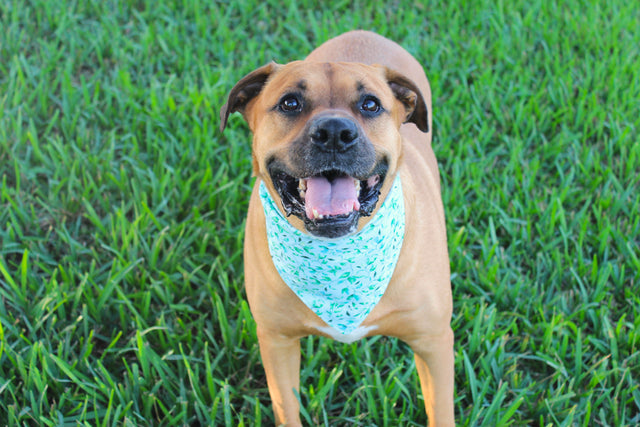
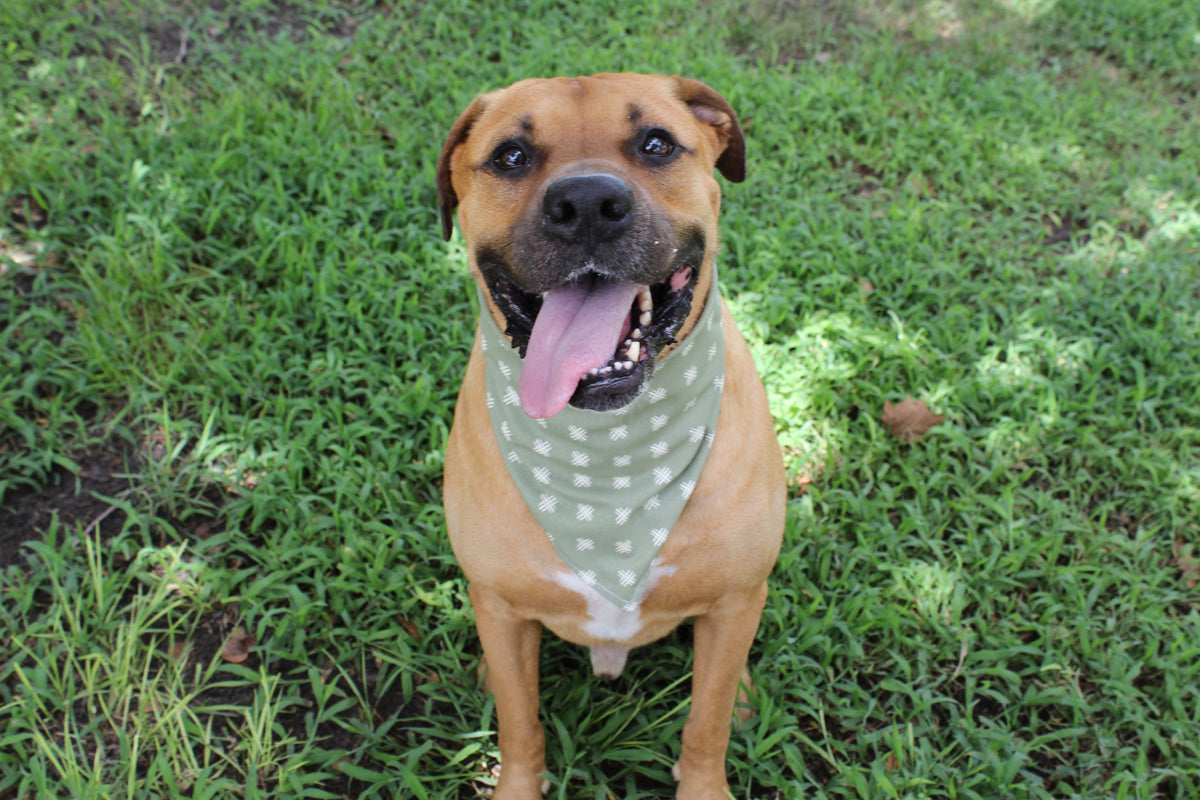
It can. Some dogs find the gentle pressure of a tie-on bandana comforting, similar to a thundershirt. It’s not a guaranteed fix, but it’s a low-effort way to add a layer of security. We’ve seen many dogs relax into the fabric when they’re feeling overwhelmed.
Is it better to use a harness or a collar?
For most dogs in busy places, a harness is safer and more comfortable. It distributes pressure evenly and prevents neck strain if your dog pulls. A collar can work, but it’s less ideal for high-stimulation environments.
On your next walk, try finding one quiet edge in a busy spot. Let your dog settle there for just a minute. You might be surprised how quickly the world feels less loud when they have a place to stand.