

You check the pavement with the back of your hand, and it’s hot. You look up, and the sky is threatening rain. Your dog is standing there, tail low, waiting for you to make the call.

Most owners treat weather as a binary: go outside or stay inside. But for a dog, the shift from indoor comfort to outdoor conditions is a series of small, physical hurdles. How you handle those hurdles defines their whole experience of the day.
Reading the Real Temperature
Air temperature is only half the story. The surface your dog’s paws touch matters just as much, if not more. In humid weather, the air feels thick and heavy, and dogs often struggle to cool down because their primary method of cooling—panting—becomes less efficient when moisture is high.
We’ve noticed that many dogs seem to hesitate at the doorway when the humidity spikes. It’s not stubbornness; it’s a sensory signal. If your dog licks their lips repeatedly or breathes with a flat, wide mouth, they are telling you the environment is working against them.
What to Check Before You Step Out
Before you grab the leash, run through this quick mental checklist. It takes less than ten seconds and can save your dog from a stressful outing.
- Test the ground: If you can’t keep your hand on the pavement for seven seconds, it’s too hot for paws.
- Check the wind: A breeze helps with cooling, but strong wind combined with cold air can dry out skin and eyes quickly.
- Assess the humidity: If the air feels sticky, plan for shorter durations and frequent water breaks.
The Adjustment Layer
One of the biggest mistakes we see is treating a dog’s neck as a static space. It isn’t. As the weather shifts, so does how your dog uses that space to regulate comfort.
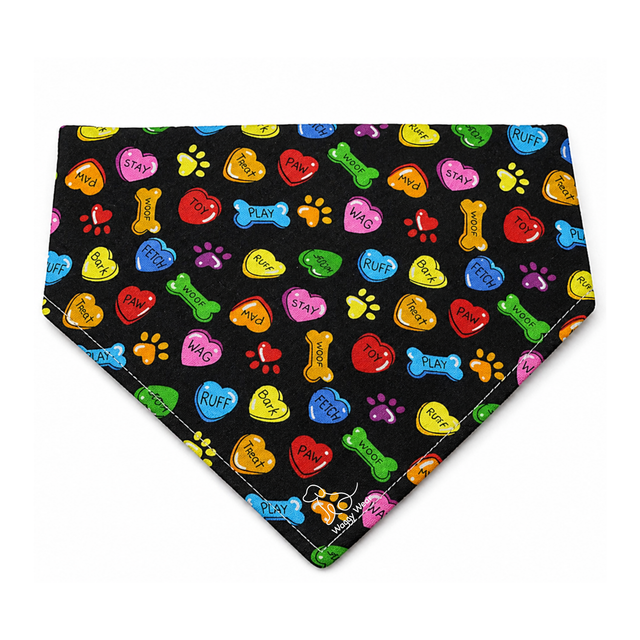
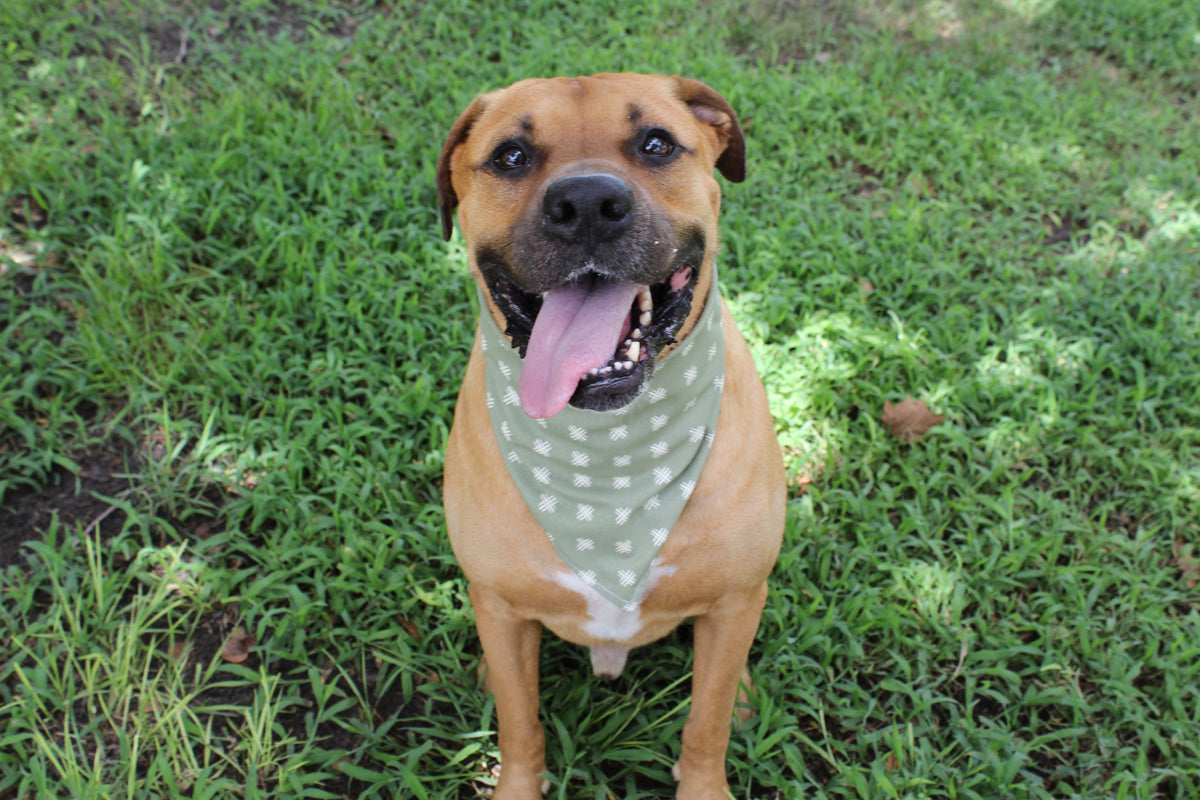
A well-fitted bandana can serve as a buffer against chill on crisp mornings or a quick-wipe surface on damp days. We prefer tie-on styles because they adjust to the dog’s movement and breathing. There’s no elastic digging in, no rigid structure to chafe. It simply sits there, ready to be adjusted.
This small detail makes a huge difference. When the knot is high, it creates a small air pocket that allows for better airflow and prevents the fabric from bunching up into the collar area. It keeps the neck clear and comfortable, regardless of whether you’re in the rain or the heat.
Sizing for Comfort, Not Just Fit
Many owners assume that if it fits, it’s right. But comfort is about range of motion. When a dog stretches, barks, or shakes their head, the accessory should move with them, not against them.
For our own dogs, we always ensure the bandana has enough slack to allow for a full head shake without pulling. If it’s too tight, it creates pressure points that can lead to irritation. If it’s too loose, it can tangle in their fur or slip off entirely. The goal is a secure, relaxed fit that feels like an extension of their comfort, not a constraint.

Handling the Unexpected
Weather doesn’t always give us a warning. A clear morning can turn into a downpour by the time you’ve reached the park. This is where preparation meets improvisation.
We carry a small, lightweight bandana in our pocket or bag. It’s not just for style; it’s a utility tool. If the rain starts, it can be used to dry off a wet nose or wipe paw prints off the car seat. If the sun comes out unexpectedly, it can be shaded over the eyes to reduce glare. These small, practical uses add up to a more relaxed experience for both of you.
It’s also worth considering the fabric. Cotton is breathable and soft, which is ideal for most everyday conditions. However, in very wet weather, thicker cotton can stay damp for a long time. If you live in a consistently humid or rainy climate, you might find that you prefer to change into a dry bandana as soon as you get home. It’s a simple habit that prevents chills and keeps skin healthy.
Frequently Asked Questions
Does wearing a bandana help with heat regulation?
Not directly, but it can help. A light, breathable bandana can wick away moisture from the neck area, which can make your dog feel cooler. However, it’s not a substitute for shade and water. In extreme heat, the best protection is minimizing outdoor time and ensuring access to cool, shaded areas.
Can I use the same bandana for rain and sun?
Yes, but with caution. A bandana worn in the rain will be saturated. It’s best to remove it and let it dry completely before using it again. Reusing a wet bandana can lead to skin irritation and keep your dog damp for longer than necessary. If possible, keep a spare dry one for the car or home.
How do I know if my dog is too cold or too hot?
Look for behavioral cues. If your dog is shivering, tucking their tail in, or seeking close contact, they are likely cold. If they are panting heavily, drooling excessively, or lying flat with their legs stretched out, they are likely overheating. Trust your dog’s body language over the thermometer.
Is it better to wear a bandana in the rain or take it off?
It depends on the intensity. For light drizzle, a bandana can act as a barrier against water hitting the neck directly. For heavy rain, it’s often better to remove it to avoid soaking your dog. Once you’re inside, dry them off thoroughly to prevent chills.
There’s a quiet satisfaction in knowing your dog is comfortable, no matter what the sky is doing. It’s not about perfect conditions; it’s about being prepared for the ones you have.
If you’re looking for a bandana that adapts to your dog’s daily rhythm, check out the collection at Waggy Wear. We hope you find one that fits your dog’s life as well as their style.