

You’re reaching for the leash, and your dog’s tail is still. Not wagging. Not tucked. Just... resting there against their hind leg. In that split second, the air changes. You freeze, hand hovering over the handle, because you know that specific stillness means something is wrong, even if they haven’t made a sound yet.

Why the Silent Moments Matter Most
Most of us spend our energy reading the loud signals. The barks, the jumps, the frantic paces. But the real conversation happens in the quiet. It’s in the weight of their head tilting, the direction their eyes are locked, the tension in their shoulders. These subtle shifts are how dogs tell us how they’re feeling long before they have to say it out loud.
When we stop rushing through these moments, we start to see a partner who is constantly talking to us. They’re just using a different language. One that’s written in posture and breath rather than words.
Listening with Your Whole Body
Reading a dog isn’t just about their face. It’s a full-body broadcast. A dog who is relaxed and happy will have a loose, wiggly body. Their ears are soft, not pinned back or rigid. Their eyes might be soft or blinking slowly, rather than wide and fixed.
If you see stiffness, that’s your cue to pause. A stiff dog is a dog who is managing stress, uncertainty, or fear. They are holding themselves together. Recognizing that tension is the first step to helping them feel safe again.
The Misconception About the Wag
Here is where most owners trip up. We assume a wagging tail always means happiness. In reality, a wag is just a signal. It’s a punctuation mark, not a sentence. The meaning depends entirely on the context of the rest of the body.
A low, slow wag with a stiff body? That’s often a warning. A high, fast wag with a loose, wiggly frame? That’s joy. The tail is just one part of the story. If you only look at the tail, you’re only reading half the page. The rest of the body is telling you how to interpret the wag. Once you start looking at the whole picture, the confusion disappears.
Building Trust Through Patience
Trust isn’t built in a day. It’s built in a thousand small moments where you respected their boundaries. When your dog turns their head away, that’s not rudeness. That’s a polite request for space. When they offer a soft gaze instead of a hard stare, they’re inviting you closer.
We’ve noticed that the dogs who feel the most secure are the ones whose owners learned to say "no" to the treat and "yes" to the quiet moment. It’s about meeting them where they are, not where you want them to be.
- Pause when your dog freezes. Give them a second to process.
- Watch the eyes. Soft eyes mean comfort. Hard eyes mean caution.
- Respect the head turn. It’s their way of saying "not right now."

Everyday Moments of Connection
You don’t need a special occasion to connect. The best moments happen in the mundane. It’s the quiet walk where you let them sniff every blade of grass. It’s the way they lean into your leg when the world feels too big. These are the threads that weave the bond.
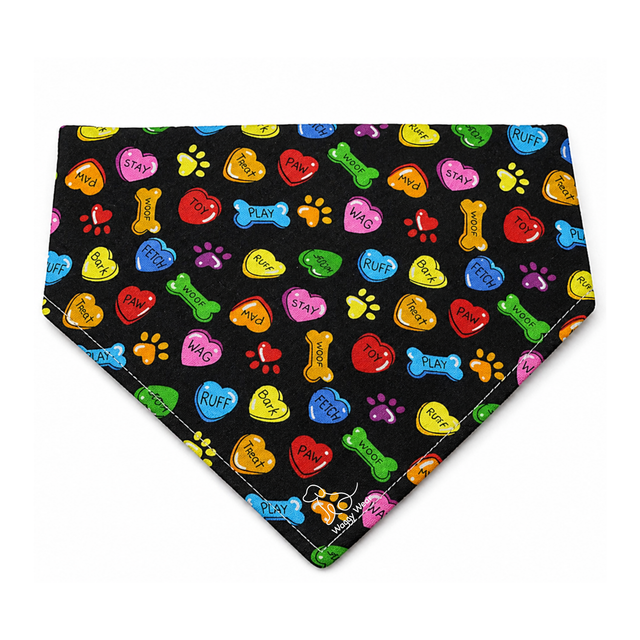
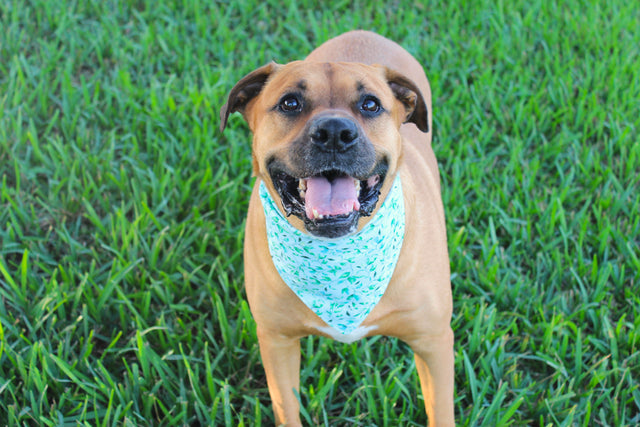
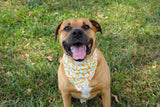
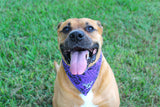
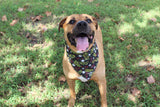
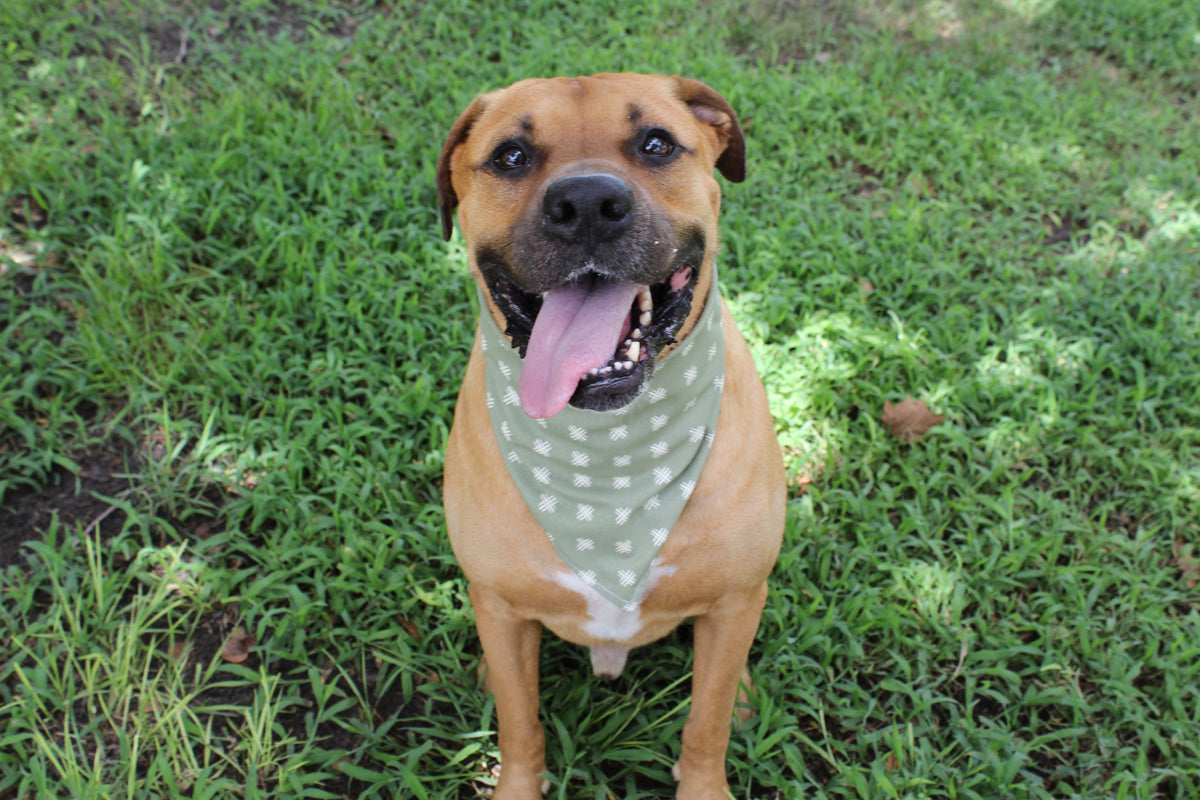
When you’re out and about, you might notice how a simple accessory can become part of that ritual. We love the idea of a bandana not just as a style choice, but as a signal. For our dogs, a specific bandana often means "we’re going out together." It’s a small, tactile reminder that they are part of the adventure. It’s not about the fabric. It’s about the feeling of being together.
That connection is what makes the everyday feel extraordinary. It’s in the way they wait for you at the door. In the way they sigh when they finally settle down. In the silent understanding that you are their person, and they are yours.
Frequently Asked Questions
How do I know if my dog is stressed or just tired?
Look at the body. A tired dog will be loose and heavy, perhaps yawning or stretching. A stressed dog will be stiff, with pinned ears, a hard stare, or a tucked tail. If you’re unsure, give them space and observe. Safety first.
Why does my dog turn their head when I try to pet them?
It’s a polite boundary. They’re telling you they don’t want to be touched in that moment. Respect it. Don’t force it. Over time, they’ll learn that their boundaries are respected, which builds trust.
Can I read my dog’s mood just by their tail?
No. The tail is just one signal. You need to look at the whole body, especially the ears, eyes, and posture. A wagging tail with a stiff body is very different from a wagging tail with a loose, wiggly body.
How can I make my dog feel more comfortable in new places?
Let them lead. Give them time to sniff and explore. Don’t force interaction. Use treats to create positive associations. Patience is key. Let them set the pace, and they’ll feel more secure.
We write these things because we live them. Every day, in our own home, we’re learning to listen better. To be present. To honor the quiet, unspoken language of the dogs who share our lives. It’s a privilege, and a joy. We hope you find that same depth in your own daily moments with your dog. They’re worth every bit of attention.