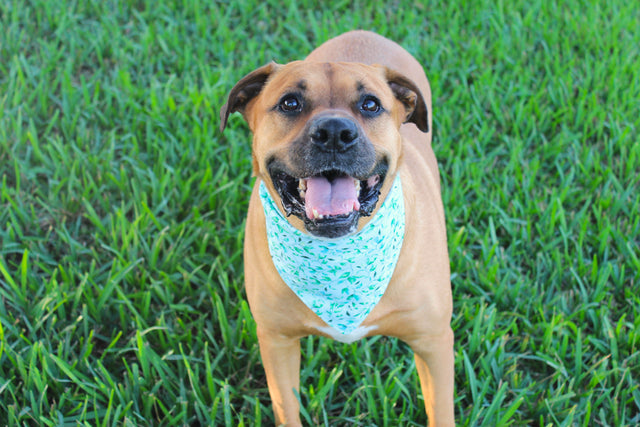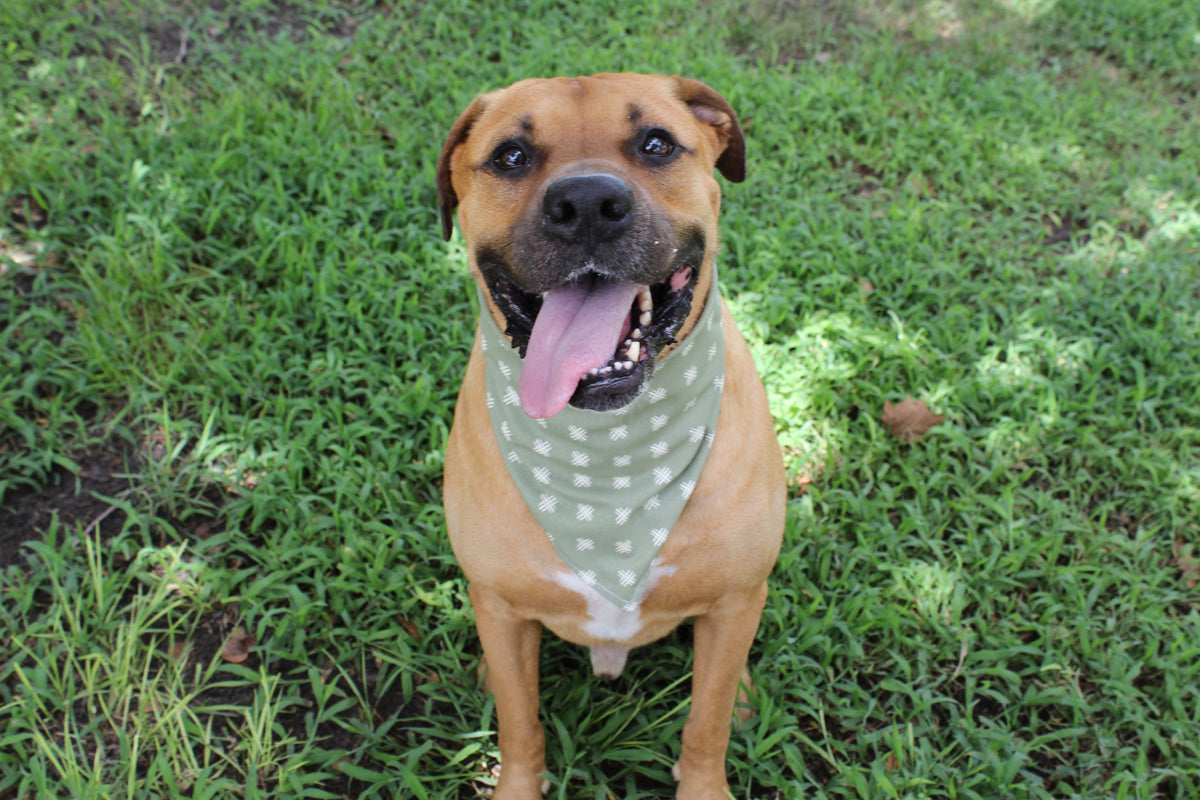


A relaxed exhale, a soft lean against your leg, and a tail that wags with a loose, full-body rhythm rather than a stiff twitch. These are the quiet signals that say a dog feels safe.

Most owners recognize the obvious signs of stress or excitement, but the subtle cues of contentment are often missed. They happen in the pause between steps, in the way ears settle back, or in the gentle pressure of a paw resting on your foot. Learning to read these moments isn’t just about behavior; it’s about tuning in to the partnership you’ve built.
Reading the Micro-Signals
Before you can build deeper trust, you need to understand what your dog is actually saying when they aren’t vocalizing. Many dogs communicate their state of mind through body language that is easy to overlook if you’re only watching for barks or jumps.
Look for the soft eye. A direct, hard stare can be intimidating, but a relaxed eye—where the whites are visible and the gaze is loose—often signals comfort. Similarly, a dog who chooses to lie down near you, even if not touching, is often saying they feel secure enough to lower their guard. It’s a small gesture, but it’s a big statement about trust.
What to Watch For
These are a few common indicators that your dog is in a good headspace, based on what many owners observe in daily life.
- A loose, wiggly body rather than a rigid, tense posture
- Ears in a natural, neutral position rather than pinned back or rigidly forward
- A willingness to make brief eye contact and then look away, showing they aren’t challenged
- Resting a chin or paw on you, which often signals a desire for connection
The Misconception About Affection
There is a common assumption that dogs want constant physical contact to feel loved. Many owners interpret a dog’s need for space as rejection or a lack of bond. In reality, the opposite is often true.
Dogs are creatures of context. A dog who chooses to sit a few feet away from you, watching you work or read, is often more comfortable than one who is constantly seeking lap space. Respecting their chosen distance is a profound way to build trust. When you stop forcing interaction and start honoring their autonomy, you teach them that your presence is safe, not demanding. This shift often leads to a dog who comes to you more readily and with more genuine enthusiasm.
Creating a Rhythm of Trust
Trust isn’t built in grand gestures; it’s woven into the routine. It’s in the predictable sequence of the day: the coffee, the leash, the walk. When your dog knows what comes next, their anxiety lowers, and their ability to be present increases.
We’ve found that adding small, consistent rituals helps anchor this sense of safety. It doesn’t have to be complex. It might be a specific spot where you pause before leaving the house, or a gentle touch on the shoulder that signals “we’re going out now.” These tiny moments create a shared language. Over time, your dog begins to anticipate these cues, and their body relaxes in response. It’s a quiet form of communication that says, “I’ve got you.”

The Role of the Environment
Your dog’s comfort is deeply tied to the environment you move through together. A chaotic, overstimulating space can make even a well-bonded dog feel vulnerable. Conversely, a calm, predictable environment allows their natural confidence to shine.
This is where small choices matter. Choosing a route with fewer distractions, or taking a moment to let your dog sniff before crossing a busy street, can make a significant difference. You’re giving them agency in their movement. Many dogs seem to feel more in control when they are allowed to lead the way, even if it’s just by a few feet. This leadership-by-consent strengthens the bond far more than forcing a pace ever could.
When to Seek Guidance
While most dogs communicate clearly through these subtle cues, some may struggle with anxiety or fear that isn’t resolved by routine alone. If your dog shows persistent signs of stress, such as excessive panting, hiding, or reactivity, it’s worth consulting a veterinarian or a certified behaviorist. They can help rule out medical issues and provide tailored strategies. Building trust is a journey, and sometimes it helps to have a guide.
Frequently Asked Questions
How do I know if my dog is trying to communicate a need?
Look for changes in their usual baseline. If a calm dog suddenly becomes clingy, or a social dog withdraws, they may be signaling discomfort or a need for attention. Pay attention to the context—did something change in the routine or environment?
Does a dog’s body language change with age?
Yes, often subtly. Older dogs may become more sensitive to touch or prefer different spots to rest. They might also communicate their needs more clearly through hesitation or slower movements. Adjusting your approach to match their current comfort level is key.
Can I teach my dog to be more comfortable in new places?
Gradual exposure is the most effective method. Start with low-stakes environments and slowly increase the complexity. Always let your dog set the pace. If they show signs of stress, back off and try again later. Consistency and patience are far more effective than forcing interaction.
Why does my dog sometimes ignore me even when we have a strong bond?
It’s likely not a reflection of the bond, but of their current state. They may be distracted, tired, or simply choosing to observe rather than participate. Trust means they feel safe enough to do what they want, even if it’s not interacting with you at that moment.
In the end, the bond between a human and a dog is less about grand declarations and more about the quiet, steady rhythm of shared days. It’s found in the way a dog settles beside you, in the trust that your next step will be predictable, and in the simple, unspoken understanding that you are both moving through the world together. That kind of connection doesn’t need to be loud to be profound.