

It’s the quiet moment right after the click of the door latch. The leash is in hand, the bag is zipped, and for a split second, the chaos of the day pauses. Most owners know this specific breath well. It’s not just about getting out; it’s about shifting gears from human mode to dog mode, and that transition is where the day’s tone is set.

Why the Transition Matters More Than the Walk
We often think the walk is the main event, but the five minutes before you step outside actually dictate how the rest of the hour goes. If you rush through the prep, your dog feels the tension. If you treat it as a ritual, the energy changes. Many dogs seem to pick up on our hurry, and a rushed start often leads to a rushed, high-arousal walk.
Instead of grabbing the leash and immediately pulling, try a dedicated "reset" window. This doesn’t have to be fancy. It’s just a consistent sequence of actions that tells your brain and your dog’s brain: "We are about to do something different."
The Pre-Walk Check
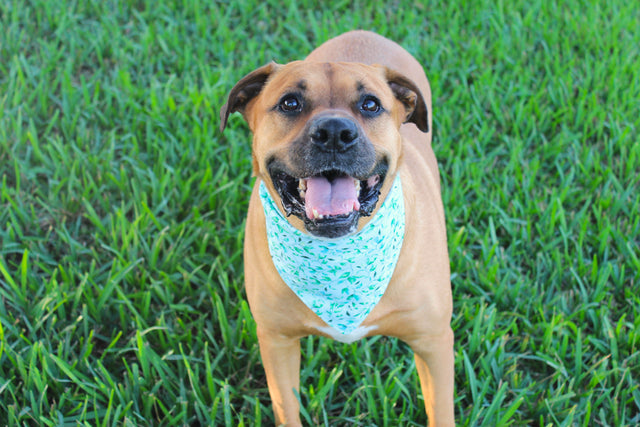
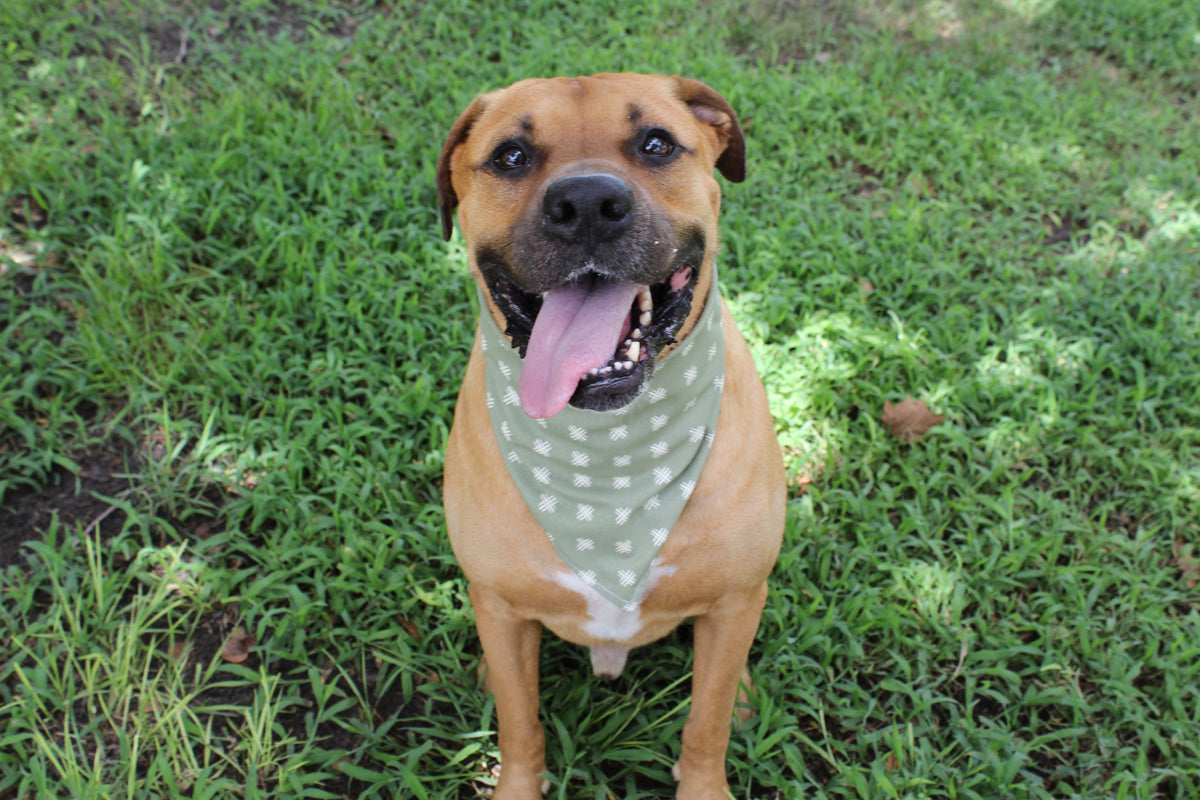
Before you even think about the door, take a moment to adjust your gear. This is where a simple, well-fitted accessory can make a surprising difference. We’ve found that taking ten seconds to ensure a bandana sits comfortably and doesn’t twist at the base of the neck prevents that annoying mid-walk adjustment. It’s a small thing, but when you’re out in the world, you don’t want to be fiddling with fabric.
- Check the collar or harness snugness before putting it on, not after.
- Ensure any bandana or accessory is tied in a secure, comfortable knot that won’t slip.
- Grab water if the day is warm, but skip it if it’s cool and you’re just going for a lap.
The Power of a Consistent Signal
Routine is a dog’s best friend, but not all routines are created equal. A routine that varies wildly in tone can be confusing. The key is consistency in the *sequence*, not just the timing. For example, if you always put the bandana on before the leash, your dog starts to associate the soft feel of the fabric with the start of the outing. This creates a calm, predictable cue.
Here is something we’ve noticed that might change how you think about gear: the order in which you dress your dog matters more than the items themselves. If you are always switching between a harness, a collar, and a bandana in a random order, your dog has to re-evaluate every time. Pick a sequence—say, bandana first, then harness, then leash—and stick to it. It reduces the cognitive load for both of you.
Evening Wind-Down: The Reverse Ritual
The evening walk is often where the day’s stress lingers. Your dog might be wired from the day, or maybe they’re tired but can’t let go. The reset here is about signaling the end, not just the start.
When you get home, don’t just toss the leash and expect the energy to drop instantly. Create a closing ritual. Take off the harness first. Then, gently remove the bandana. This physical act of undressing signals that the "outdoor mode" is off. Many owners find that their dogs settle faster when there is a clear physical boundary between the outside world and the inside home.
It’s about giving your dog permission to shift their energy. If you keep the harness on while they’re eating or lying on the couch, they may feel like they’re still on duty. Removing the gear is a tangible way to say, "You’re off the clock now."

Small Details, Big Comfort
Handmade accessories like the ones we make at Waggy Wear are designed with these moments in mind. The tie-on style allows for quick adjustments, which is perfect for the pre-walk check. Because they come in two specific sizes—Small for necks up to 17 inches and Large for up to 23 inches—you’re not guessing with a one-size-fits-all band that might be too loose or too tight. That precision matters when you’re trying to build a calm, confident routine.
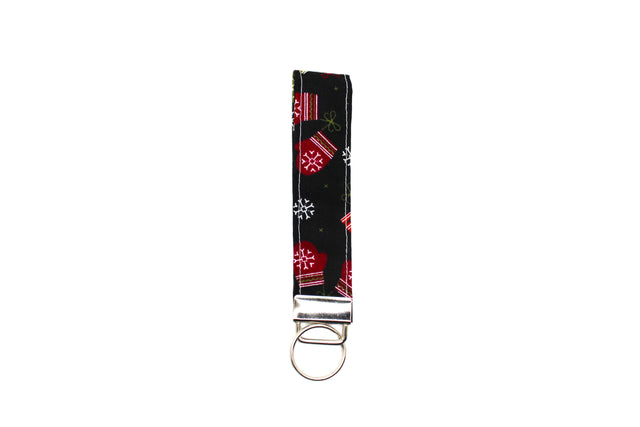
And if you’re looking to extend that little ritual, matching accessories can be a nice touch. A scrunchie or a keychain that coordinates with your dog’s bandana turns a functional item into a small part of your daily aesthetic. It’s not about matching your outfit, but about creating a cohesive little world for your dog’s day.
Frequently Asked Questions
Does the order of putting on gear really make a difference?
Yes, for many dogs, consistency in the sequence helps them predict what’s coming next. If you always tie the bandana before clipping the harness, that specific order becomes a cue that the walk is starting, which can reduce anxiety or excitement.
Should I take off the bandana after every walk?
It depends on your dog’s sensitivity and the activity. If they walked on grass or in the rain, it’s a good idea to remove it so they can air out. If it was a quick, dry lap, you might leave it on for a bit, but taking it off during the evening wind-down ritual helps signal the end of the outing.
How do I know if my bandana is too tight during the reset?
Check the knot before you head out. If you can slide two fingers easily under the fabric at the base of the neck, it’s likely comfortable. If it’s digging in, re-tie it. A comfortable fit prevents the need for mid-walk adjustments, keeping the routine smooth.
Can I use the same routine for morning and evening walks?
You can, but many owners find it helpful to have slight variations. Morning might be bandana, then harness. Evening might be harness first, then bandana, or vice versa. The key is that *each* walk has its own consistent sequence, so your dog knows which mode they’re entering.
We think the best dog routines aren’t about the destination, but about the small, intentional moments that frame it. It’s the click of the latch, the smooth tie of the knot, the quiet sigh when the gear comes off. If you’re looking for accessories that fit these moments well, you can browse our collection here. We’re a small family business, and we’d love to be part of your daily rhythm.
Keep it simple, keep it consistent, and let the routine do the heavy lifting. Your dog will thank you for it, even if they don’t say a word.