

Why do so many small dog accessories look great in photos but feel awkward the moment they’re on? For smaller breeds, the margin for error is tighter. A bandana that hangs too low can drag in puddles; a collar that’s too loose can snag on a fence. It’s not about style first—it’s about fit, function, and how the piece holds up in real life.

Start With the Numbers, Not the Vibe
Before you fall in love with a print, measure. This is the step most owners skip, and it’s the one that causes the most frustration. A small dog’s neck circumference can vary significantly even within the same breed, so generic sizing often misses the mark.
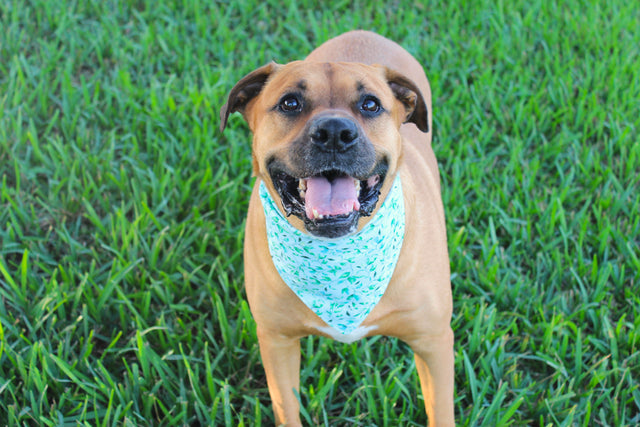
In our experience, the most reliable method is a soft measuring tape wrapped gently around the base of the neck, where the bandana will actually sit. If you’re between sizes, it’s almost always better to size up. A slightly larger bandana ties more securely and sits higher, reducing the chance of it sliding down over the shoulders.
- Measure at the base of the neck, not the middle
- Check the tie length—smaller dogs need shorter loops to avoid tripping
- Ensure the fabric doesn’t bunch up under the chin
The Weight of the Fabric Matters More Than You Think
Small dogs are light. A heavy, thick cotton bandana can feel like a yoke. Many owners find that lighter, breathable fabrics like lightweight cotton blends or jersey knits move with the dog rather than against them. This is especially important for active small breeds who shake their heads often or move quickly through doors and crowds.
If your dog is prone to shaking off accessories, look for materials that drape rather than stiffen. Stiff fabrics can catch on ears or teeth, leading to tugs and stress. Soft, flexible fabric tends to stay put because it moves with the dog’s natural range of motion.
Choosing a Print That Works for Small Frames
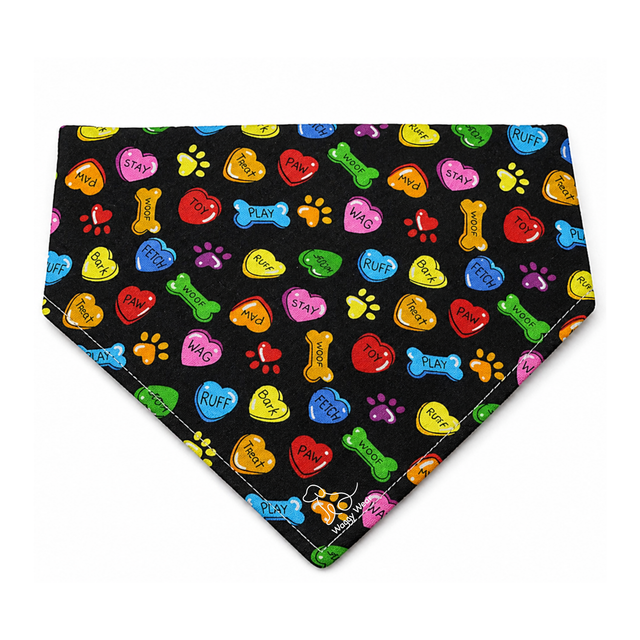
Pattern scale is a detail that’s easy to overlook. A busy, high-contrast print can create a lot of visual noise on a small dog, sometimes making the accessory feel louder than the dog. Many owners find that simpler patterns or smaller-scale prints look cleaner and more balanced on smaller breeds.
That said, this is entirely a matter of preference. If your dog loves bold, colorful bandanas and it makes you smile, that matters more than any rule of thumb. The goal is to pick a style that feels like an extension of your dog’s personality, not a costume.

The Tie-Off Advantage
One of the most practical features to look for in small dog accessories is adjustability. Tie-on bandanas offer a range of fit that fixed collars or necklines simply can’t match. You can tighten them for a secure fit during active walks or loosen them for a more relaxed look at home.
This flexibility is particularly useful for small dogs with varying neck-to-body ratios. A tie-on style allows you to position the bandana exactly where it sits best, avoiding pressure points or awkward folds. It’s a small detail that makes a big difference in comfort and longevity.
Care and Longevity
Small dog accessories get washed more often than you might think, especially if your dog is a puddle-hopper or a fan of face-planting in grass. To keep them looking good, wash them in cold water and air dry. Heat can shrink delicate fabrics and distort shapes.
Inspect the ties regularly. Fraying is the first sign of wear, and it’s a good time to retire the bandana. A well-made bandana should last through dozens of washes, but even the best fabric eventually gives out. Replacing them when they show signs of wear keeps them safe and comfortable.

Why Handmade Makes a Difference
When you buy from a small, family-run business, you’re supporting craftsmanship. Handmade items often have cleaner seams, better attention to detail, and a consistency that mass-produced items can lack. It’s not just about the product—it’s about the care that goes into making it.
For small dog accessories, this means a better fit, a more durable finish, and a design that considers the needs of smaller breeds. It’s a quiet difference, but one you’ll notice every time you tie it on.
Frequently Asked Questions
Do small dogs need different sizes than large dogs?
Yes. Small dogs typically have shorter necks and smaller frames, so they need accessories that are proportionally smaller. Always measure your dog’s neck and refer to the specific size chart for the item you’re buying.
Can a bandana be too heavy for a small dog?
It can. Heavy fabrics can pull on the neck or cause discomfort. Look for lightweight, breathable materials that drape well and move with your dog.
How do I know if a tie-on bandana is the right fit?
It should sit comfortably around the neck without being too tight or too loose. You should be able to slide a finger or two under the tie. If it slides down over the shoulders, it’s too loose; if it leaves deep red marks, it’s too tight.
Find What Fits
Choosing small dog accessories is about paying attention to the details that matter: fit, fabric, and how the piece feels in real life. If you’re looking for handmade dog bandanas made with care in Orlando, Florida, and designed to fit smaller breeds comfortably, you can explore our collection here: waggywearco.com. It’s a small shop with a big focus on getting the details right for your dog.