

Choosing dog accessories is rarely about finding the cutest item in the store. It comes down to fit, fabric weight, and how the piece holds up after repeated washing. This guide breaks down the specific factors that determine whether a bandana or accessory remains comfortable and usable over time, helping you select pieces that serve your daily routine.

The Fit Factor You Often Overlook
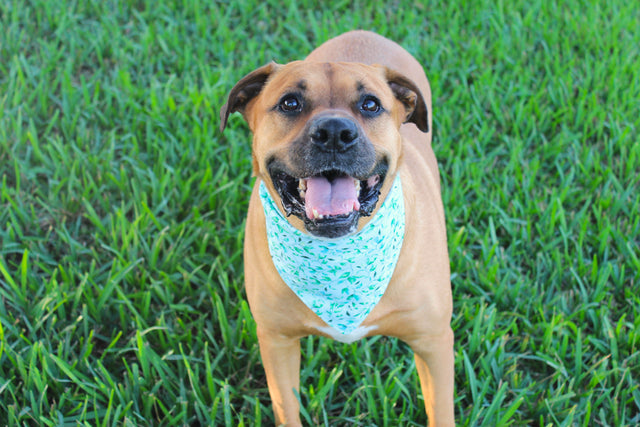
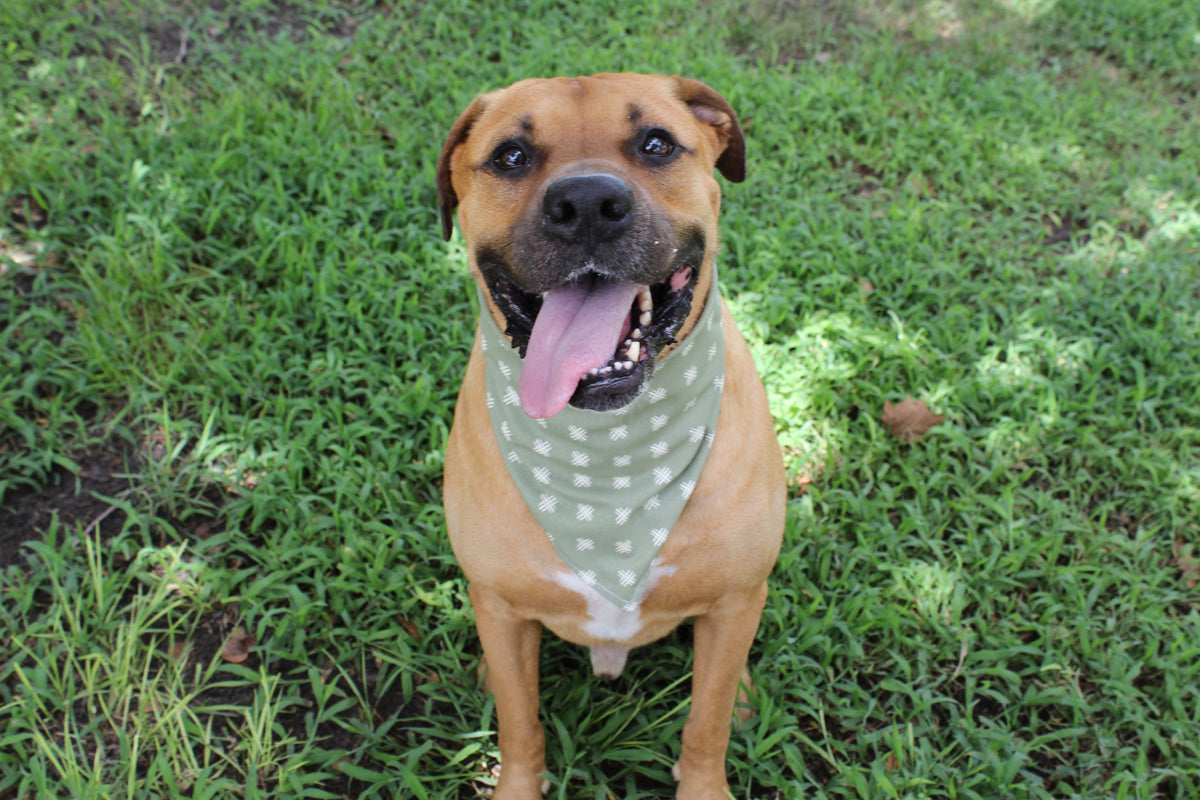
Many owners assume that if a collar fits, a bandana will too. That is a common assumption, but it misses a key mechanical detail. A bandana needs to sit around the base of the neck, just behind the ears, not around the throat where the collar rests. If the accessory sits too high, it can feel restrictive; if it sits too low, it tends to slide down the chest and bunch up under the chin.
In our experience, the most frequent complaint about ill-fitting gear isn’t that it looks bad, but that it requires constant readjustment. A well-fitted tie-on style should stay put through a full walk without you reaching for it every few blocks. This stability matters more than the initial aesthetic because it determines whether your dog will tolerate wearing it.
Fabric Weight and Daily Comfort
Think about the material’s thickness relative to your dog’s coat. A heavy cotton bandana can feel like a wet towel on a short-haired dog in warm weather, while a thin synthetic mesh might not provide enough structure to hold its shape. The ideal fabric is lightweight enough to breathe but sturdy enough to maintain its form when wet or muddy.
One detail that often gets missed is the seam placement. If the seams are tight against the skin or located directly under the chin, they can create friction that irritates sensitive areas over time. Look for flat-locked seams or soft, rounded edges that sit away from the dog’s skin. This small construction detail can make the difference between a piece your dog tolerates and one they actively enjoy wearing.

Bold Prints vs. Simple Patterns
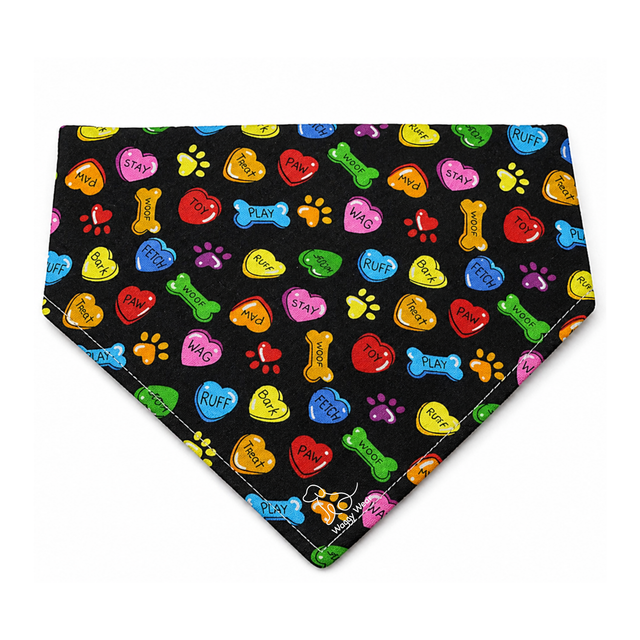
Choosing between a busy patterned dog bandana and a solid color often comes down to your dog’s coat color and your personal style preference. Many owners find that high-contrast prints create a stronger visual statement, while solid or subtle patterns tend to look cleaner and blend more easily into everyday outfits. There is no right answer here, but considering how the print interacts with your dog’s fur can help you avoid a look that feels visually cluttered.
If you are building a small collection, starting with one neutral piece and one bold piece offers the most flexibility. This combination allows you to mix and match with different clothing styles without committing to a single aesthetic. It also makes it easier to rotate items, which extends the life of each piece by giving them time to rest and recover their shape.
Care and Longevity
The way you wash your accessories significantly impacts how long they last. Hot water and high-heat drying can cause fabrics to shrink, colors to fade, and elastics to lose their snap. For most handmade dog bandanas, gentle washing in cool water and air-drying are the best practices for maintaining color vibrancy and structural integrity.
Check the care label before your first wash, as different fabrics react differently to detergents. Avoid harsh bleach or fabric softeners, which can break down natural fibers over time. A little extra effort in the washing process pays off in pieces that look and feel new for months longer than you might expect.

Why Handmade Matters
There is a distinct difference between mass-produced items and those crafted with attention to detail. Handmade pieces often feature tighter stitching, more consistent sizing, and higher-quality materials because they are made in smaller batches with direct oversight. This level of care translates into accessories that hold up better under regular use and daily wear.
When you support a small family business, you are also getting a product designed with real dogs in mind, not just as a market trend. The attention to fit, fabric, and finish reflects a deeper understanding of what makes an accessory comfortable for the animal wearing it. This thoughtful approach to design is something that is often lost in larger, automated manufacturing processes.
Frequently Asked Questions
How do I know if a bandana is too tight for my dog?
You should be able to slide two fingers comfortably between the bandana and your dog’s neck. If you cannot fit two fingers, or if the bandana leaves a deep impression on the skin, it is likely too tight and should be adjusted or replaced with a larger size.
Can I use the same bandana for both hot and cold weather?
It depends on the fabric weight. Lightweight cotton or linen blends work well in warmer months, while thicker fleece or wool blends provide better insulation in colder weather. For year-round use, consider having two different weights to match the season and your dog’s comfort needs.
How often should I replace my dog’s accessories?
There is no set timeline, but you should replace any accessory that shows signs of wear, such as fraying edges, broken stitching, or faded colors. Regularly inspecting your dog’s gear for damage ensures that it remains safe and comfortable to wear, preventing potential irritation or choking hazards.
Do matching accessories really matter?
Matching accessories are not a requirement, but they can create a more cohesive look if that is important to you. Many owners prefer coordinated sets for special occasions or photos, while others mix and match based on what is comfortable and available. The choice is entirely personal and depends on your style preference.
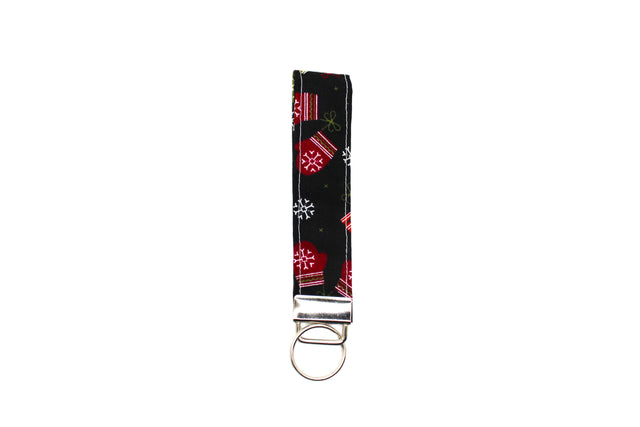
Choosing the right dog accessories comes down to finding pieces that balance comfort, durability, and style. By paying attention to fit, fabric, and care, you can build a collection that your dog will actually enjoy wearing. If you are looking for handmade dog bandanas and matching accessories that are designed with these details in mind, you can explore the full collection at waggywearco.com. We hope you find something that fits both your style and your dog’s comfort.