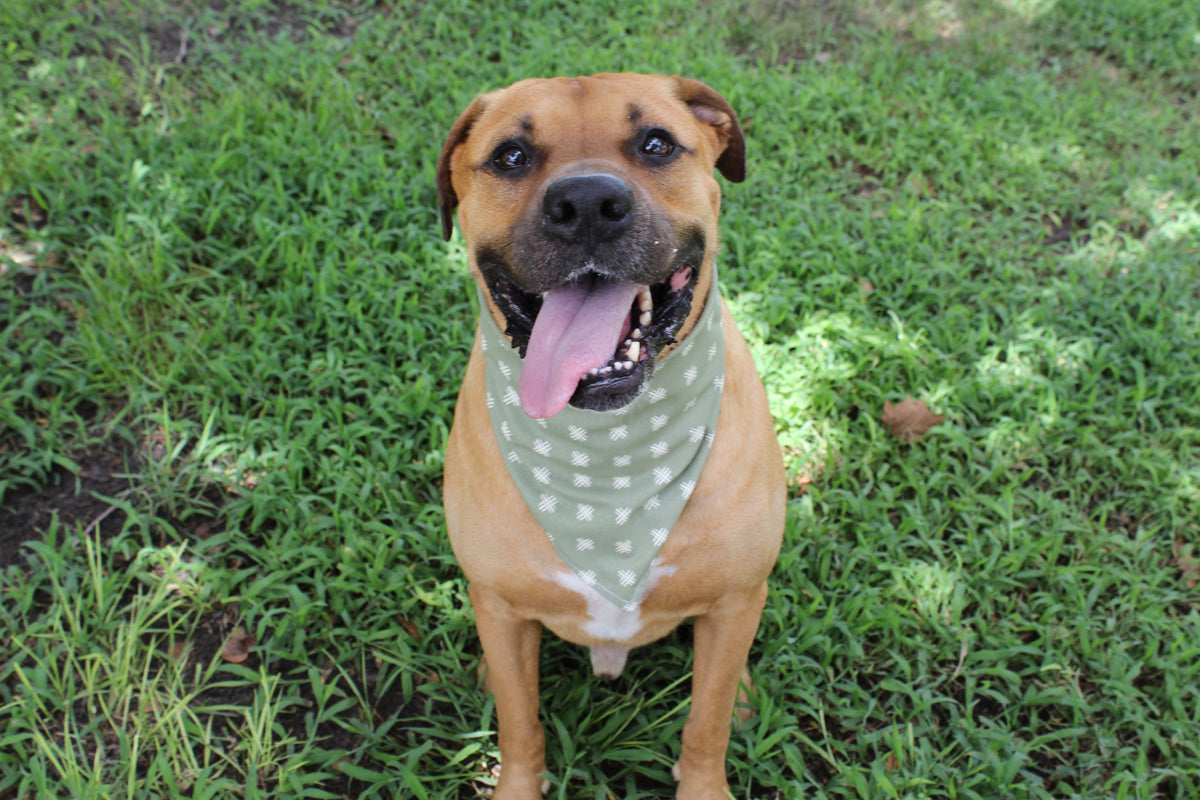


Choosing dog accessories comes down to three practical factors: fit, fabric, and how the item holds up in real daily life. These elements matter more than trends or color preferences. This guide walks through what to look for so you can pick pieces that stay comfortable and useful for your specific dog.

Why Fit Changes Everything
A bandana that looks great on a model photo might feel completely different on a dog with a thick neck or a double coat. The difference between a good accessory and a bad one is usually how it sits against the skin and how easily it adjusts as the dog moves.
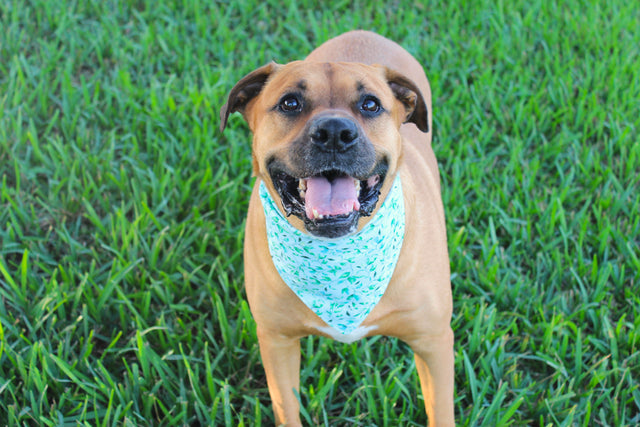
In our experience, the most common complaint isn’t about style—it’s about sliding, chafing, or the need to constantly readjust. A tie-on design helps here because you can tighten or loosen it based on the day’s activity. If your dog has a shorter neck or a broader chest, getting the sizing right matters even more.
Two Sizes Beat One-Size-Fits-All
Many owners assume larger is better, but that’s not always true. An overly loose bandana can flip over the head, while one that’s too tight creates pressure points. We use a simple rule of thumb: measure the neck at the base where the collar sits. If you’re between sizes, it’s usually safer to size up slightly for comfort, then adjust the tie to fit snugly without restricting movement.
Fabric and Functionality
Cotton dog bandanas are a popular choice because they breathe well and wash easily. However, not all cotton is created equal. Thicker weaves hold their shape better but can feel heavier in warm weather. Lighter fabrics drape nicely but may wrinkle more after washing.
Think about where your dog spends most of their time. A dog that runs through sprinklers or rolls in mud needs something that dries quickly and resists staining. A dog that mostly walks on pavement and sits in cafés might prioritize softness and a clean look over ruggedness.
- Check the weight of the fabric—lighter is better for hot days
- Look for reinforced stitching at the tie points
- Consider how the print holds up after multiple washes
- Test the knot or tie mechanism to ensure it stays secure
Prints and Personal Style
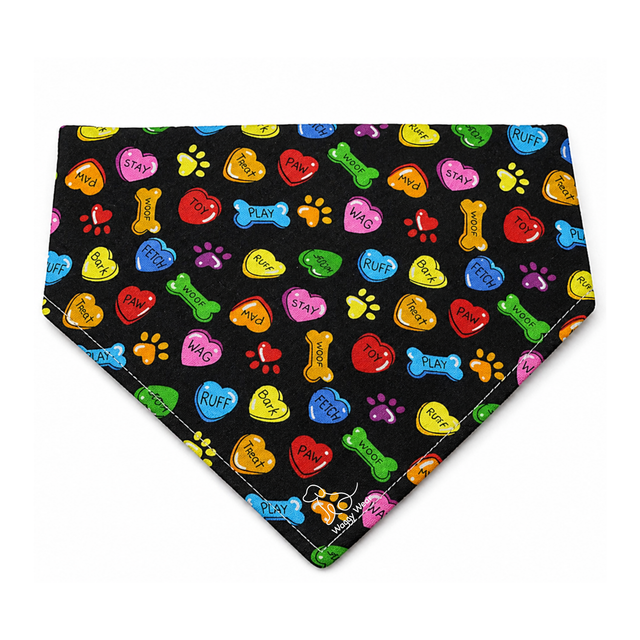
Bandana prints can reflect your dog’s personality or match your own aesthetic. Many owners find that simpler patterns look cleaner on smaller dogs, while bolder prints can add visual presence for larger breeds. This is subjective, though—what looks best to you matters more than any general rule.
If you’re buying seasonal dog bandanas, consider the color palette of your dog’s coat. Light-colored dogs often pop against darker backgrounds, while dark-coated dogs can make bright prints stand out. There’s no wrong answer, but thinking about contrast can help you choose a look you’ll actually like seeing every day.
Matching Accessories Without Overdoing It
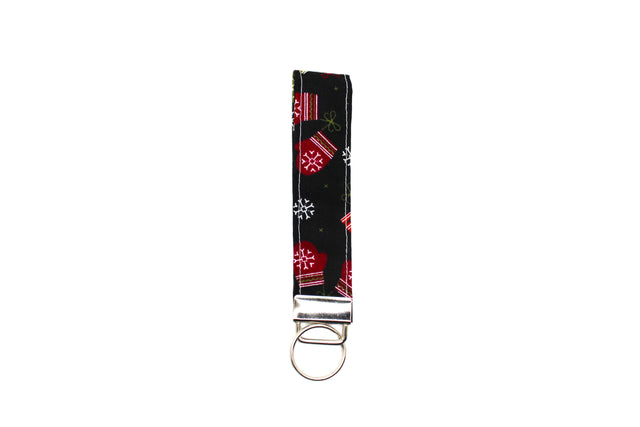
Adding cute dog accessories like scrunchies or keychains can be fun, but it’s easy to go overboard. One or two coordinated pieces usually strike the right balance. Too many items can feel cluttered and may distract from the dog’s natural movement. Keep it simple, and let the bandana be the focal point.

Choosing the Right Approach for Your Dog
Not every dog tolerates accessories the same way. Some wear them for hours without noticing; others take them off as soon as possible. Watch how your dog reacts in the first few minutes after putting on a new item. If they shake their head repeatedly or try to chew the fabric, it might not be a good fit for regular use.
This isn’t about training or forcing comfort. It’s about respecting your dog’s preferences. An accessory should enhance their day, not interrupt it.

Caring for Your Accessories
Handwashing or using a gentle cycle in a laundry bag helps preserve the shape and color of cotton dog bandanas. Avoid high heat when drying, as it can shrink the fabric or fade prints. Air-drying is the safest option, especially for items with intricate stitching or embellishments.
Store bandanas folded or rolled to prevent creasing. If you have multiple pieces, rotating them extends their lifespan and keeps each one looking fresh. A quick rinse after muddy walks can prevent stains from setting in.
Why Handmade Matters
There’s a difference between mass-produced items and ones made by hand. Handmade pieces often have more consistent quality and attention to detail. They’re also more likely to hold up over time, which matters if you’re buying dog accessories you plan to use regularly.
Waggy Wear, for example, is handmade and shipped from Orlando, Florida. The bandanas are tie-on and come in two sizes—Small and Large—so you can choose the right fit rather than guessing. Free shipping on orders $20+ makes it easy to try a style without extra cost. If you’re looking for a small family business that prioritizes comfort and quality, it’s worth a look.
Frequently Asked Questions
How tight should a tie-on bandana be?
It should sit snugly enough to stay in place but loose enough that you can slip two fingers underneath. If your dog shows signs of discomfort—scratching, shaking their head, or trying to remove it—it’s likely too tight.
Can I wear a bandana over a harness?
It depends on the harness design. Some harnesses have wide straps that make it difficult to tie a bandana securely underneath. If you want to layer, try tying the bandana over the harness straps, ensuring it doesn’t interfere with the harness’s function or your dog’s movement.
Do dark-colored dogs show dirt more easily?
Not necessarily. Dark coats can hide mud and stains better than light coats, but they may show lint and hair more visibly. Light-colored dogs often show dirt more quickly, so frequent washing might be needed if your dog spends a lot of time outdoors.
How often should I replace a bandana?
Replace it when the fabric starts to thin, the stitching unravels, or the print fades significantly. If your dog is a heavy chewer, check the tie points regularly for wear. A bandana that’s frayed or weak at the knot isn’t safe to use.
Are matching accessories necessary?
No, they’re purely optional. Some owners love the coordinated look, while others prefer a single focal piece. It’s about personal preference, not a rule. If you enjoy matching scrunchies or keychains, go for it. If not, a solo bandana works just as well.
Choosing dog accessories is less about following trends and more about finding pieces that fit your dog’s life and your style. Take your time, look at the details, and trust your instincts. If you’re ready to explore handmade options, you can browse the collection at waggywearco.com. It’s a small family business, and we’d love to have you take a look.