

You know the feeling—you’ve finally got the lighting right, the background is beautiful, and you’re ready to snap that perfect photo of your dog, only for them to immediately decide that a frantic, full-speed zoomie session is the only appropriate response.
The Struggle for the Perfect Shot
Capturing a great photo of a dog is rarely as easy as it looks on social media. We’ve all been there, staring at a camera roll filled with nothing but blurry ears, wagging tails that look like propellers, and dogs looking in the complete opposite direction of the lens.
It’s easy to get frustrated when you’re trying to document a special milestone or just a beautiful afternoon at the park. But most of the time, the best photos aren't the ones where the dog is sitting perfectly still like a statue; they are the ones that capture the genuine spirit of your pup.
Moving Beyond the 'Stay' Command
While training a reliable 'stay' is a wonderful skill, relying on it for photography can actually backfire. Many dogs find the intense focus required for a stay a bit unnerving, which can lead to that glazed-over, bored expression we see in so many pet portraits.
Instead of fighting against their natural energy, we’ve found that working with it creates much more dynamic results. Here are a few things we like to keep in our camera bag for better results:
- High-value, smelly treats (think small pieces of plain cooked chicken)
- A squeaky toy to grab their attention for just a split second
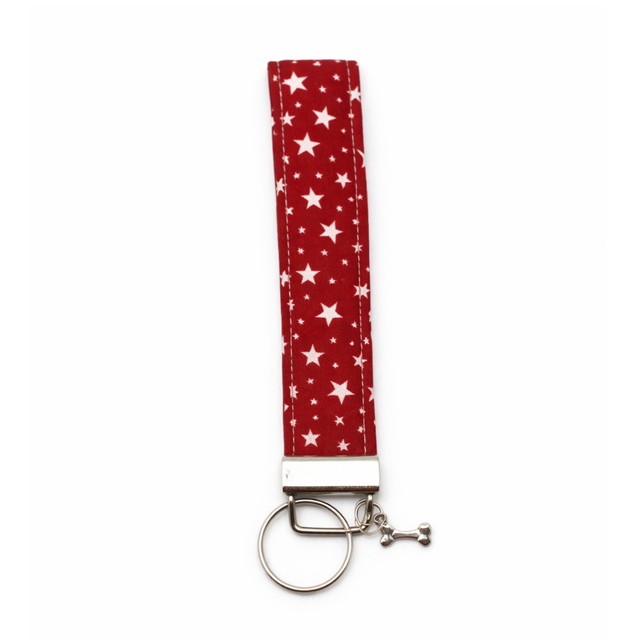
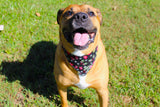
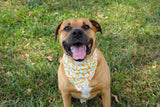
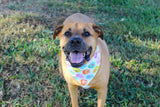
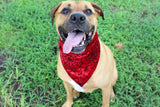
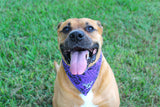
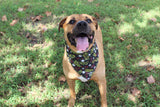
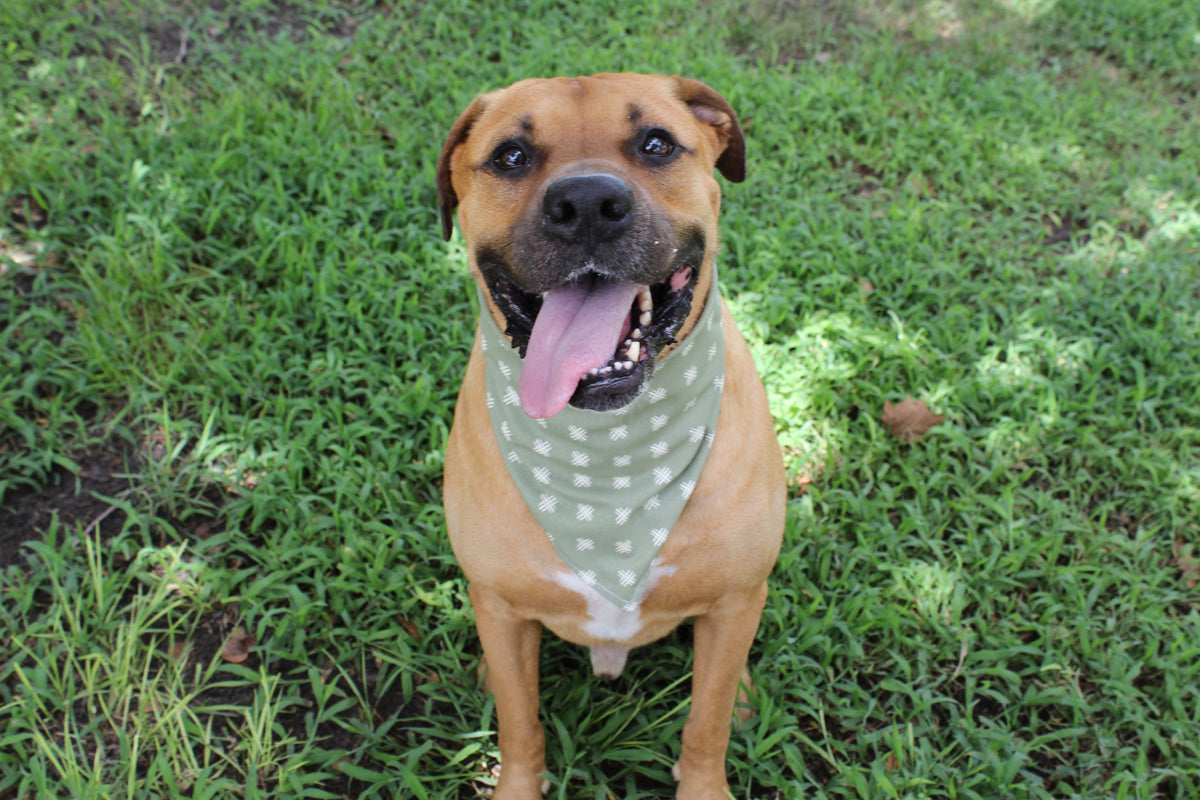
- A familiar, comfortable accessory like a colorful bandana to add a pop of visual interest
- A helper to stand behind the photographer and act as the 'distraction'
The Secret to Eye Contact
There is a common misconception that you need to hold a treat right in front of the camera lens to get a dog to look at you. While this works for a second, it often results in your dog staring intensely at the camera, which can look a bit strained or desperate in the final image.
A little trick we started using involves the 'sound-and-drop' method. Instead of holding the treat at the lens, hold it slightly above and to the side of the camera. Make a quick, sharp sound—a whistle, a soft click, or even a tiny lip smack—and then immediately drop the treat on the ground. This creates a natural moment of curiosity and a quick head tilt that looks far more authentic and engaged than a dog staring vacantly at a piece of ham.
Setting the Scene for Success
The environment plays a huge role in how your dog behaves during a photo session. If the setting is too overstimulating, like a crowded festival or a noisy street, even the calmest dog might struggle to focus.
We almost always recommend finding a quiet, familiar spot. Whether it’s your own backyard or a peaceful corner of a local trail, familiarity breeds calmness. If your dog is wearing something special, like a new Waggy Wear bandana, they might even feel a little extra confident in a space they know and love.
Don't forget about the lighting, either. Harsh, midday sun creates those deep, unflattering shadows under the eyes. We prefer the 'golden hour'—that soft, warm light just before sunset—which makes every coat look incredible and gives the whole photo a nostalgic, warm glow.
Embracing the Imperfect Moments
At the end of the day, the most precious photos are often the ones we didn't plan. The mid-shake, the tongue hanging out, the accidental way they look right at you when you least expect it. These are the images that tell the real story of your life together.
If you find yourself with a folder full of blurry shots, don't delete them. Often, those are the very photos that will make you smile most intensely five years from now.
Frequently Asked Questions
What should I do if my dog is too distracted by other dogs?
If there is too much movement around, try to move your session to a more controlled environment. Using a long-distance lens can also help you stay far enough away from the action that your dog doesn't feel the need to investigate every passerby.
How can I make colors pop in my pet photos?
Using a bandana with a contrasting color to your dog's fur can work wonders. For a dark-furred dog, a bright or pastel accessory stands out beautifully against the greenery of a park.
Is it okay to use treats during a photo session?
Absolutely! Treats are a fantastic way to keep engagement high. Just be sure to use small, bite-sized pieces so they don't get too full or distracted by the act of chewing.
We hope these little tips help you capture some wonderful new memories with your pup. We'd love to see the beautiful shots you take!
Warmly,
The Waggy Wear Family