

Understanding your dog’s daily cues comes down to watching three specific behaviors: how they hold their ears, the direction of their gaze, and their body weight distribution. These signals tell you what your dog is thinking before they act on it. This post walks through how to interpret these common signs and build a clearer communication bridge with your pet.

The Three Signals That Matter Most
Most owners focus on barking or tail wagging, but those are late-stage signals. The real information is usually in the subtle shifts that happen first. If you learn to spot these early, you can often adjust your environment or routine before your dog becomes frustrated or anxious.
Ear position is the fastest indicator. Ears forward mean curiosity or alertness. Ears pinned back or flattened often signal fear or submission. A relaxed, slightly sideways ear position usually means your dog is content but monitoring their surroundings.
Gaze direction tells you where their attention is locked. A soft, broken gaze—where your dog looks at you, then away, then back—is a classic sign of trust and relaxation. A hard, unbroken stare, especially with a stiff body, is a warning sign that your dog feels threatened or cornered.
Body weight distribution is often the most overlooked. If your dog’s weight is shifted forward, they are ready to move or engage. If the weight is shifted back, toward the hindquarters, they are preparing to retreat or are feeling insecure. You can often feel this shift in the leash tension before you even see it.
Why Most Owners Miss the Early Signs
We’ve noticed that many owners wait for a big reaction before they realize their dog was already signaling distress. This is a common mistake because we often anthropomorphize our dogs, assuming they are thinking like us. But dogs communicate through a rapid, physical language that is easy to miss if you aren’t looking for it.
The key is to stop looking at your dog’s face and start looking at their whole body. A dog can smile with their eyes while their body is tense. Or they can appear calm on the surface while their weight is shifted back, ready to bolt. Learning to read the whole picture, not just the expression, is the foundation of trust.
Building Trust Through Daily Routines
Trust isn’t built in big moments; it’s built in the small, predictable ones. When your dog knows what to expect from you, they relax. This is where your daily routine becomes a tool for communication.
Consistency is the most underrated aspect of dog care. If you always give them a treat after a walk, they learn to associate the end of the walk with a positive outcome. If you always let them sniff before you start a new activity, they learn that they have a say in their environment. These small, predictable patterns create a sense of safety that is hard to quantify but easy to feel.
We stopped doing a lot of “surprise” activities with our dogs. Instead, we started using a simple verbal cue before we moved them. It’s not a command; it’s a notification. “Moving now.” “Heading outside.” This small change has made a noticeable difference in how relaxed our dogs are during transitions.

The Weight Shift Trick
This is a specific, practical tip that many owners don’t know about. When your dog is standing still and their weight is shifted back, they are often trying to tell you that they don’t want to be there. Instead of forcing them to move forward, try stepping backward and giving them space. You’ll be surprised how often they will follow you willingly once they feel less pressure. This simple adjustment can turn a struggle into a collaboration.
Applying This to Your Daily Life
You don’t need to be a professional trainer to use these cues. You just need to be observant. Start with one signal—ear position—and practice noticing it for a week. Then add gaze direction. Finally, add body weight. By the end of the week, you’ll likely notice a shift in how your dog responds to you. They’ll feel less stressed, and you’ll feel more connected.
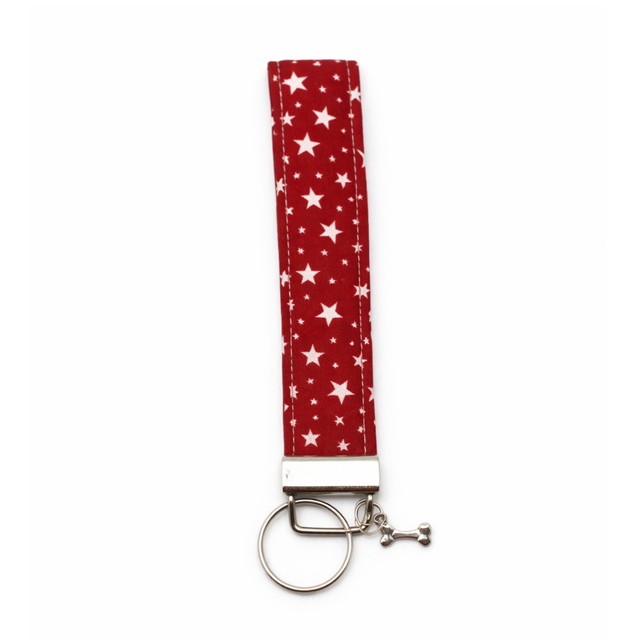
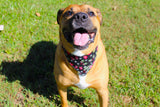
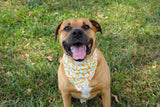
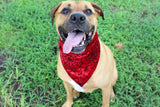
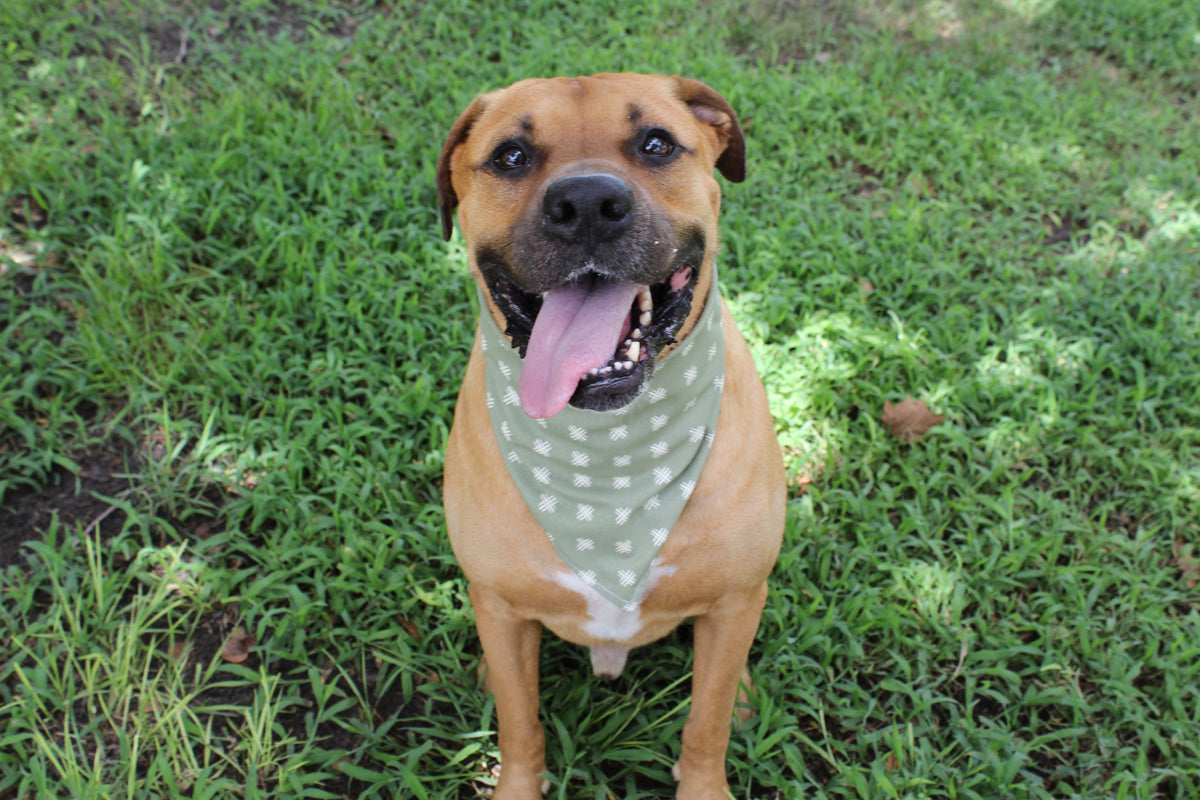
This is where a simple accessory can fit into the routine. A tie-on bandana, like the ones we make here in Orlando, can serve as a visual marker for your dog that it’s time for a specific activity. Some owners use a specific color for walks and another for car rides. It’s a small, non-verbal cue that reinforces the routine. You can find a variety of styles at Waggy Wear if you want to try this approach.
Frequently Asked Questions
How long does it take for my dog to learn to trust me?
Trust is built over time, and the speed varies by dog. Some dogs build trust in a few days, while others take weeks or months. The key is consistency. If you are predictable and kind, your dog will start to relax and show signs of trust. There is no set timeline, but you will notice the shift when it happens.
What if my dog is always tense?
If your dog is consistently tense, it’s worth looking at their environment. Are they getting enough exercise? Are they feeling safe? Sometimes, a dog is tense because they are bored or anxious. Try increasing their physical and mental stimulation. If the tension persists, consider consulting a certified trainer or your vet to rule out any underlying issues.
Can I use these cues with a puppy?
Yes, absolutely. Puppies are actually the best time to start learning these cues. They are still learning how to communicate, and they are very responsive to your feedback. If you start watching their body language now, you’ll build a strong foundation of trust that will last a lifetime.
Do I need special equipment to practice this?
No. You just need your dog and your attention. You don’t need any special tools or treats. The only thing you need is the willingness to pause and look at your dog’s body instead of assuming what they are thinking.
Next time you’re out on a walk, try stepping back when your dog’s weight shifts backward. See how they respond. You might be surprised by how much easier the walk becomes.