

You know that feeling when you check the weather forecast, see a sudden drop in temperature or a heatwave approaching, and immediately start scanning your dog's gear to see what needs changing.
Adapting to the Changing Seasons
Preparing for shifts in the environment is about more than just picking a cute pattern. It is about ensuring your pup stays comfortable whether you are navigating humid afternoons or crisp, chilly mornings.
Most owners focus heavily on heavy coats or cooling mats, but we have noticed that the smaller details often make the biggest difference in daily comfort. Using seasonal dog accessories effectively means layering functionality with style so that every walk feels prepared.
The Essentials for Warm Weather
When the sun is high and the humidity kicks in, the goal is breathability. Heavy fabrics can trap heat against a dog's neck, which isn't ideal during long afternoon strolls.
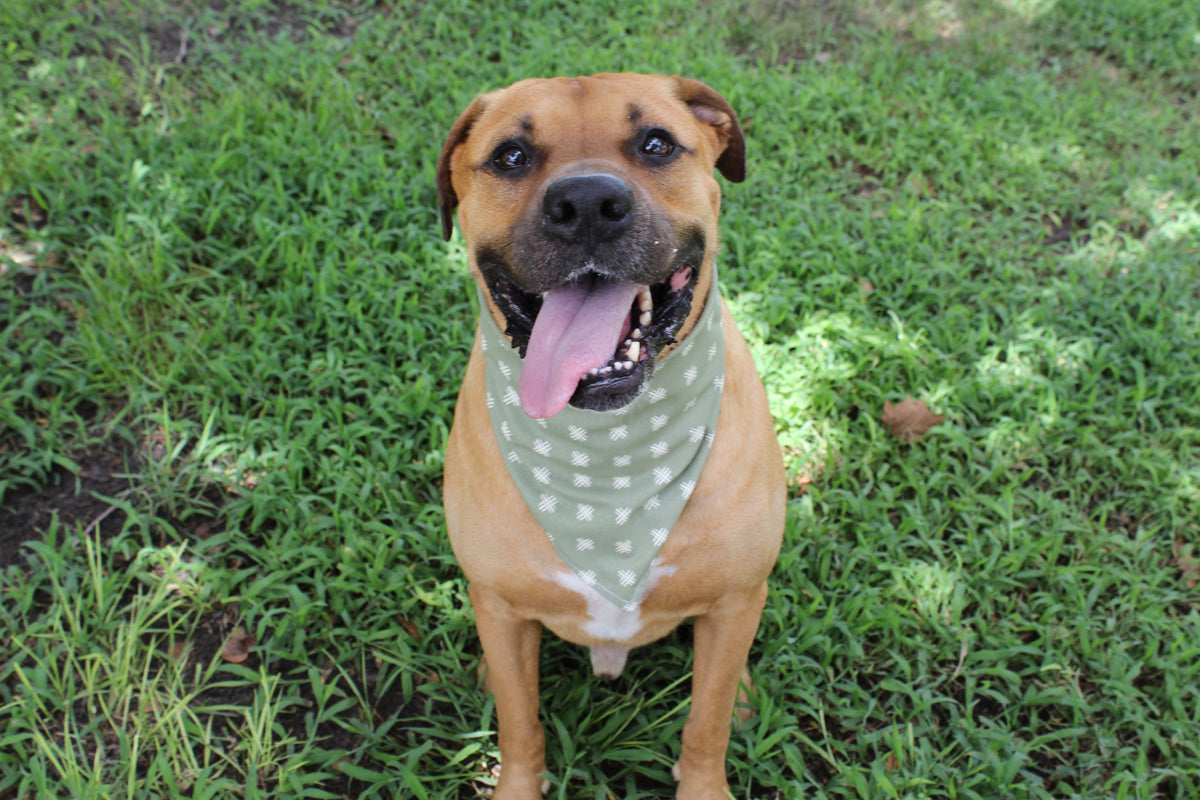
- Lightweight cotton bandanas that allow airflow
- Reflective gear for when summer evenings stretch longer
- Portable water bowls for hydration on the go
- Cooling vests or mats for high-heat days
In our experience, sticking to lighter fabrics like thin cotton is much better than heavier polyesters during those sticky months. It helps prevent that heavy, damp feeling around the neck that many dogs seem to dislike.
Preparing for Cooler Climates
As the air gets sharper, your dog's needs shift toward insulation and protection. This is when you start thinking about thicker textures and more substantial layers.
While a heavy sweater is great for some, many dogs find that a sturdy, flannel-style bandana provides just enough extra warmth without being too bulky under a harness. It is all about finding that balance between protection and mobility.
The 'Texture Trick' for Better Comfort
One thing we have learned through years of watching how dogs react to different gear is that the texture of an accessory can be just as important as the weight of the fabric. Many people grab a thick fleece because it looks cozy, but if the fabric is too stiff, it can rub against the skin or interfere with how a harness sits.
We almost always recommend checking the 'scrunch test.' If you can easily scrunch the fabric in your hand and it feels soft rather than rigid, it is much more likely to stay in place without causing chafing. A soft, pliable material moves with your dog's neck, which prevents that annoying constant readjustment during a walk.
Building a Versatile Wardrobe
You don't need a massive collection of gear to be prepared. Instead, focus on a few high-quality pieces that can transition between seasons with minimal effort.
A simple way to approach this is by keeping a rotation of neutral-colored basics paired with a few seasonal statement pieces. This makes it easy to grab something from Waggy Wear that matches the current vibe, whether you are heading to a summer farmers market or a crisp autumn park visit.
Focusing on durability ensures that your favorite pieces last through muddy spring walks and dusty summer adventures alike.
Frequently Asked Questions
How do I know if my dog is too hot in their accessories?
Watch for signs like heavy panting, lethargy, or the dog trying to paw the accessory off. If they seem restless, it is best to remove any extra layers immediately.
Can I use the same bandana all year round?
You certainly can! While some patterns feel more seasonal, the most important factor is the fabric weight. A lightweight cotton bandana is great for summer, while a thicker fabric works better for cooler months.
How should I clean seasonal gear after outdoor adventures?
Most cotton accessories can be tossed in a gentle wash cycle. We suggest air drying to help maintain the shape and integrity of the fabric over time.
We hope these tips help you feel a little more prepared for whatever the weather brings your way. Happy walking!